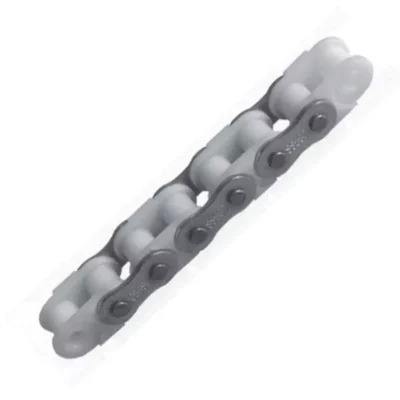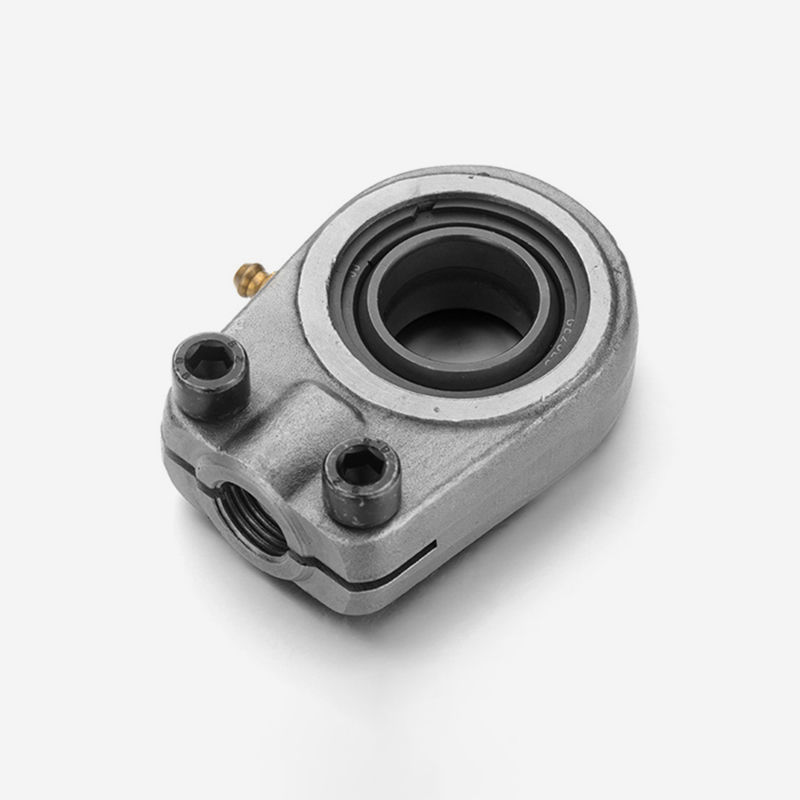
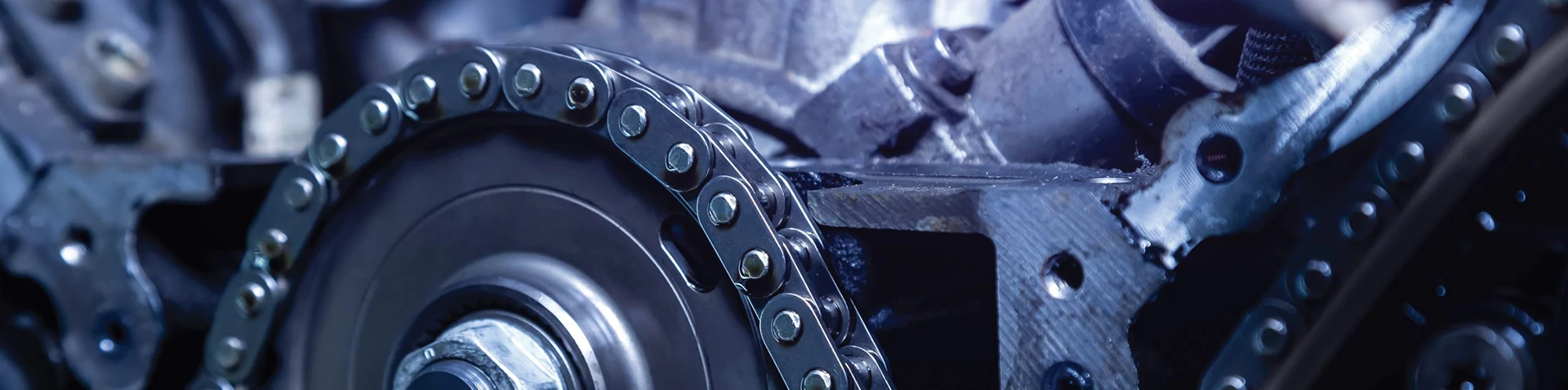
Powering the world’s machinery with precision and reliability, Chains and Sprockets form the backbone of countless industrial and automotive applications. Our products are engineered to deliver unmatched durability and efficiency, ensuring seamless power transmission in the most demanding environments.
Our comprehensive range includes various types of chains and sprockets, designed to meet diverse operational needs. Below are the detailed specifications presented in lists and tables for clarity.
| Chain Number | Pitch (inches) | Width (inches) | Average Tensile Strength (lbs) |
|---|---|---|---|
| 25 | 0.250 | 0.125 | 780 |
| 35 | 0.375 | 0.188 | 1,760 |
| 40 | 0.500 | 0.312 | 3,125 |
| 50 | 0.625 | 0.375 | 4,100 |
| 60 | 0.750 | 0.500 | 6,100 |
| 80 | 1.000 | 0.625 | 8,500 |
| Sprocket Type | Number of Teeth | Bore Diameter (inches) | Material |
|---|---|---|---|
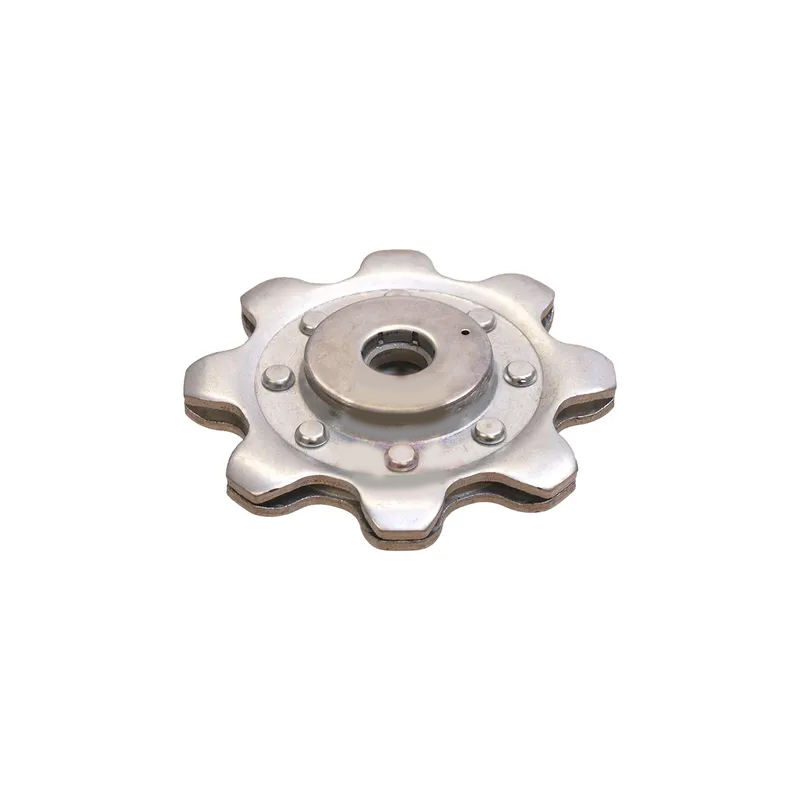
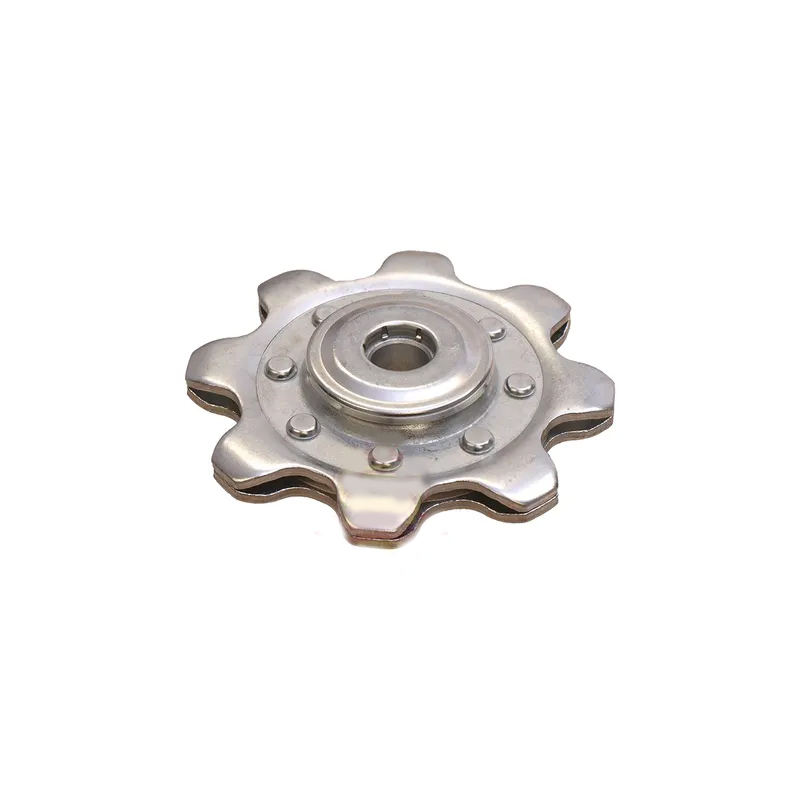
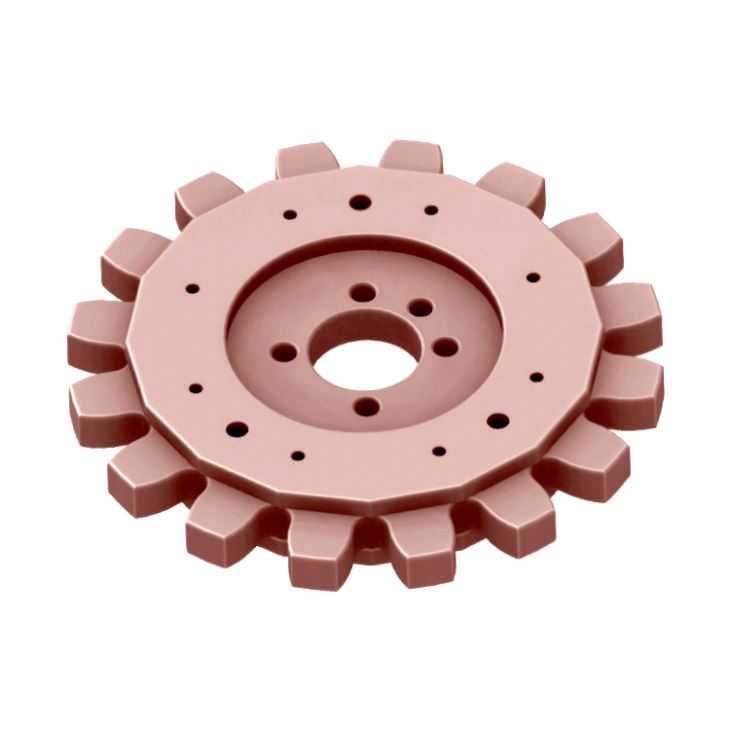
| Platewheel | 10-60 | 0.25-1.5 | Carbon Steel |
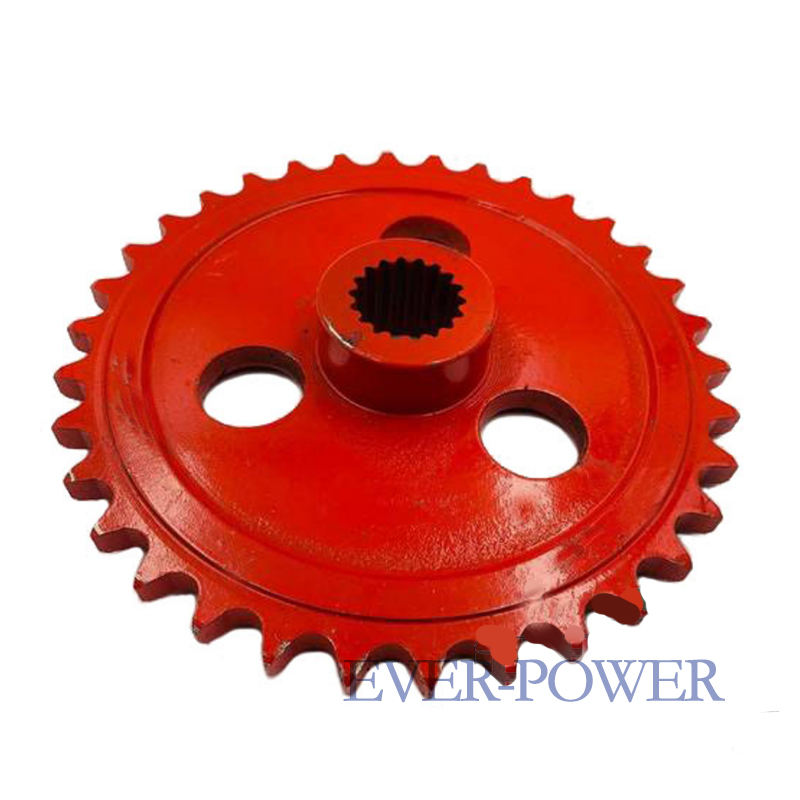
| Hub Sprocket (Type A) | 12-80 | 0.5-2.0 | Stainless Steel |
| Hub Sprocket (Type B) | 15-100 | 0.75-3.0 | Cast Iron |
| Idler Sprocket | 8-40 | 0.5-1.5 | Hardened Steel |
What factors should I consider when selecting a chain and sprocket set?
Consider the application load, speed, environment (e.g., exposure to corrosion or high temperatures), and compatibility with existing machinery. Always match the chain pitch and sprocket tooth count for optimal performance.
How often should chains and sprockets be maintained or replaced?
Regular lubrication and inspection every 500 operating hours are recommended. Replacement is necessary when wear exceeds 3% elongation for chains or when sprocket teeth show significant hooking or deformation.
Can I use a chain and sprocket from different manufacturers?
It is not advisable due to potential mismatches in tolerances and materials, which can lead to accelerated wear, noise, and failure. Always use matched sets from the same supplier for best results.
What are the signs of a worn-out chain or sprocket?
Common signs include rust, stiff links, elongated chain length, noisy operation, and visible wear on sprocket teeth such as curvature or sharp edges.
Are there industry standards for chains and sprockets?
Yes, key standards include ANSI B29.1 for roller chains, ISO 606 for metric chains, and ANSI B29.3 for sprockets. Adhering to these ensures interoperability and safety.
What materials are best for corrosive environments?
Stainless steel or nickel-plated chains and sprockets are ideal for wet or chemically aggressive conditions, offering superior resistance to rust and degradation.