Forging scraper chains often break or fail due to excessive wear, fatigue cracking, overload conditions, corrosion, improper heat treatment, or manufacturing defects. This article examines the common causes behind chain failure and offers practical guidance on how to identify and prevent them.
Learn simple and effective methods to clean stainless steel chains using mild soap, warm water, and soft brushes to remove dirt and restore shine without damaging the metal.
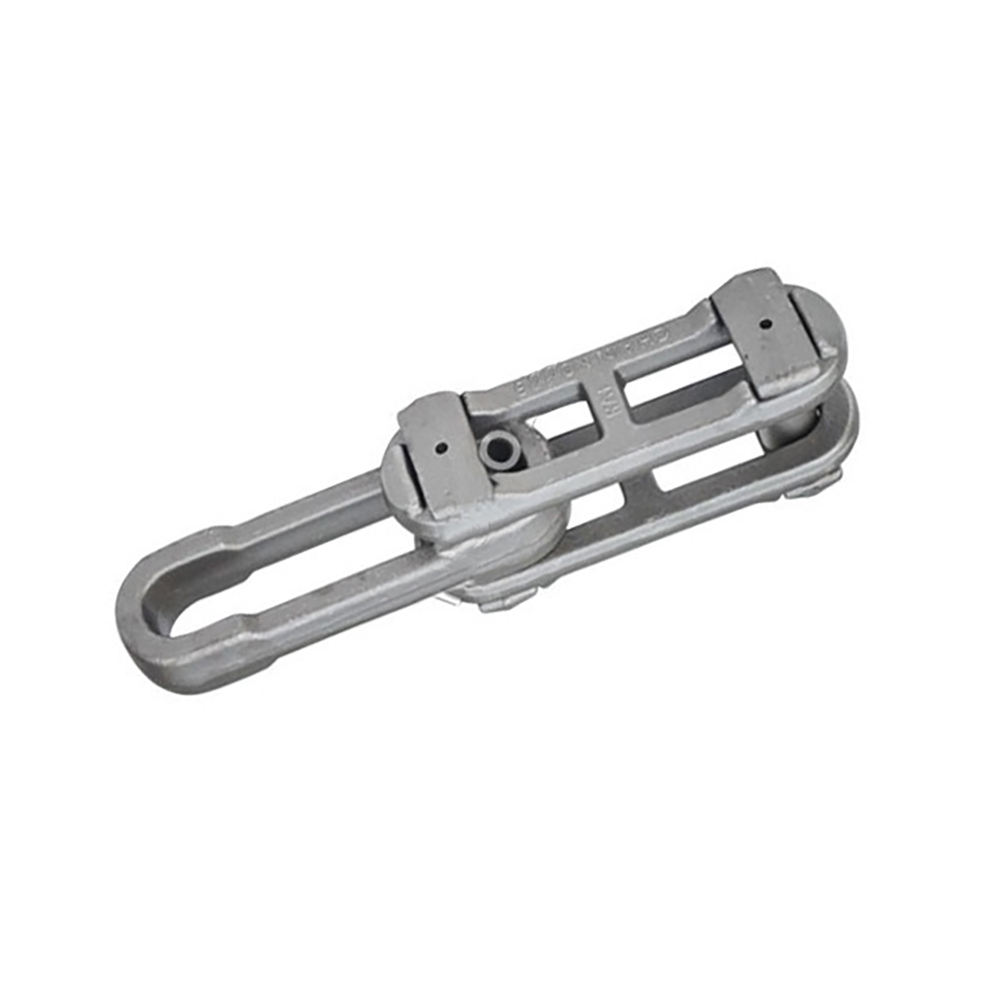
Drop forged rivetless chains provide higher tensile strength, greater fatigue resistance, and simplified on-site maintenance since individual links can be replaced without cutting or welding, significantly reducing downtime compared to welded chains.
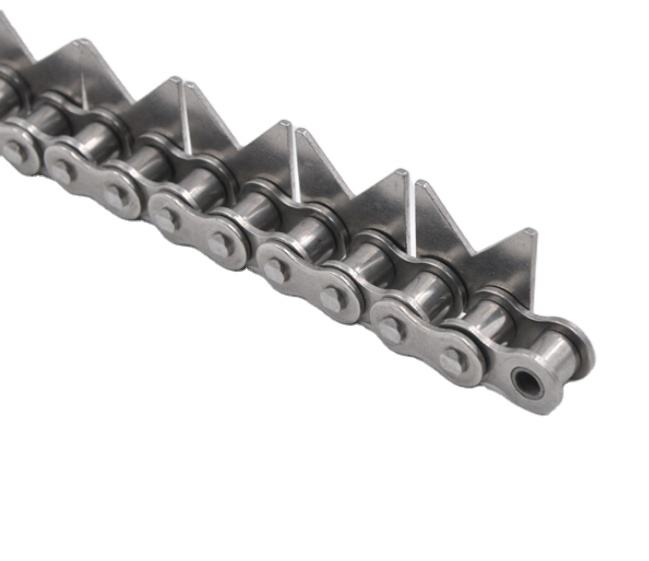
Discover the essential steps to calculate the load capacity and speed limits for sharp top chains, covering factors such as chain tensile strength, sprocket size, and operating conditions.
This article explains the typical lifespan of a steel pintle chain, covering key factors that affect durability and offering guidance on extending service life.
Flat top chains generally operate within a temperature range of -40°F to 400°F (-40°C to 204°C), though actual limits depend on chain material, lubrication, and environmental conditions. This article examines the factors that influence their thermal performance.
A timing chain replacement is a complex engine repair where mechanics remove the old chain, guides, and tensioner, then install new components to restore proper camshaft and crankshaft synchronization.
Rivetless trolley chains use interlocking links without rivets, making them easier to assemble, disassemble, and maintain, while riveted trolley chains have permanently joined links for higher strength and durability in heavy-duty applications.
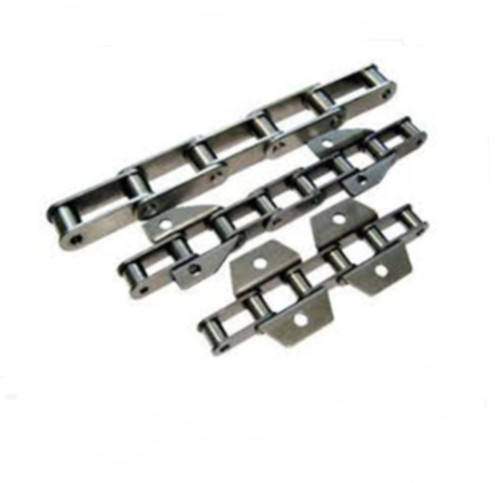
A practical guide on arranging cables and hoses inside drag chains to prevent twisting, reduce friction, and ensure reliable movement in automated systems.
We use cookies to offer you a better browsing experience, analyze site traffic and personalize content. By using this site, you agree to our use of cookies. Privacy Policy


 30 2026-07
  14 2026-07
  06 2026-07
  26 2026-06
  17 2026-06