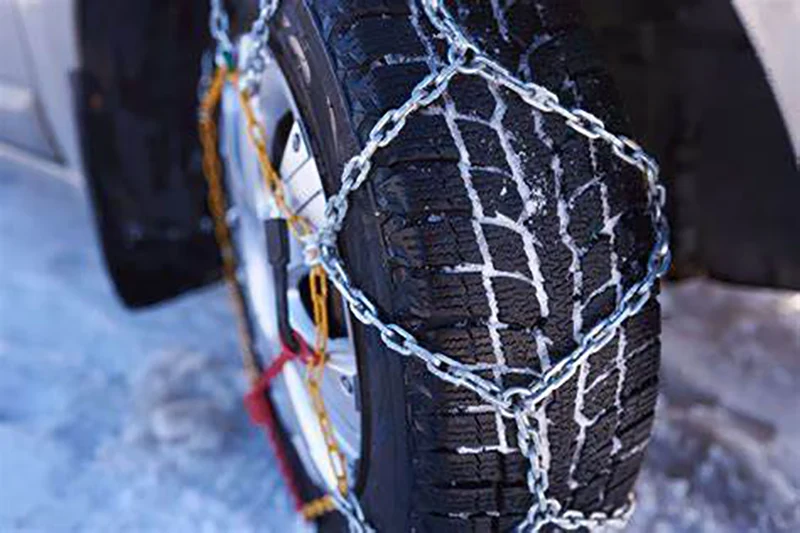
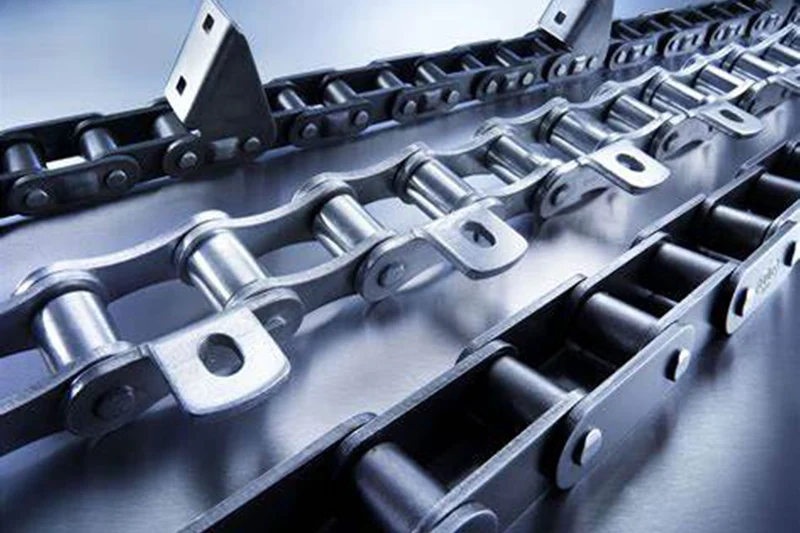
Can you drive on dry pavement with parking chains installed? This is a critical question many fleet managers and procurement specialists face when preparing vehicles for winter. The short answer is an emphatic no, and here's why. Driving with snow chains on dry, clear pavement is not just inefficient; it's actively damaging. The metal chains grind against hard surfaces, causing rapid, irreversible wear to your expensive tires. They create an unstable driving experience, reduce vehicle control, and can even snap and cause catastrophic damage to your wheel wells or undercarriage. For procurement professionals sourcing winter safety equipment, understanding this limitation is the first step toward a safer, more cost-effective strategy. It highlights the need for a smarter solution that provides security on ice without compromising performance on dry stretches. This is where innovative products, like the specialized parking chains from Raydafon Technology Group Co.,Limited, offer a superior approach by being designed for stationary safety, eliminating the risks associated with improper use on pavement.
The Hidden Cost of Improper Chain Use: A Procurement Nightmare
Imagine this scenario: Your logistics team, under pressure to meet a deadline, decides to leave parking chains on a truck for a short trip across town on dry roads. A seemingly minor decision snowballs into a major financial headache. The constant metal-on-asphalt contact shreds the tire treads. A chain link fatigues and breaks, whipping into a brake line. Suddenly, you're not just replacing tires ahead of schedule; you're facing costly repairs, vehicle downtime, and a significant safety incident report. This operational inefficiency directly impacts your bottom line and fleet reliability. The core problem is using a traction device designed for loose snow on an incompatible surface. The solution lies in segmenting your winter equipment needs. For active driving in deep snow, traditional tire chains are essential. But for stationary stability—preventing trailers from sliding on icy lots or securing vehicles on inclines—you need equipment engineered for that single, critical purpose. This is the gap that Raydafon Technology Group Co.,Limited addresses with its dedicated parking chains, like the model Can you drive on dry pavement with parking chains installed?. They provide the hold you need without the wear you don't.
Consequence of Misuse
Estimated Cost Impact
Operational Downtime
Premature Tire Wear
$500 - $1500 per tire
2-4 hours for replacement
Vehicle Body/Undercarriage Damage
$1000 - $5000+
1-3 days in the shop
Broken Chain & Road Hazard
Variable + Towing Fees
Immediate halt to delivery
Safety Violation Fines
Up to $10,000 (region dependent)
Administrative delays
Introducing the Safer Alternative: Purpose-Built Parking Chains
Procurement excellence is about specifying the right tool for the job. Parking chains are that specialized tool. Their design philosophy is fundamentally different from driving chains. Instead of focusing on traction during motion, they are optimized for maximum grip and stability when a vehicle is stationary. This means heavier-gauge links and a different tensioning system designed to "bite" into ice and compact snow to lock a vehicle in place. For a procurement officer, this translates into clear value: extended tire life, eliminated risk of drive-away damage, and a simplified, safer protocol for warehouse and yard staff. When your team uses a product like Can you drive on dry pavement with parking chains installed? from Raydafon, they are using equipment with a clear, safe, and singular function. This reduces training complexity and prevents costly mistakes, ensuring your assets are protected whether on the road or parked on an icy slope overnight.
Feature
Traditional Driving Chain
Raydafon Parking Chain
Primary Use Case
Gaining traction while driving in snow
Securing stationary vehicles on ice/inclines
Recommended Surface
Snow-covered roads
Ice, packed snow, gravel
Impact on Dry Pavement
Extremely damaging; must be removed
Not intended for driving; eliminates misuse risk
Durability Focus
Flexibility & rotation resistance
Maximum static grip & tensile strength
Procurement Benefit
Operational necessity for routes
Asset protection & safety compliance tool
Technical Specifications and Procurement Benefits
Evaluating parking chains requires a technical lens. Key specifications determine effectiveness and total cost of ownership. Look for high-tensile steel construction, a robust cam tensioner for easy, secure installation without tools, and a coated design to resist corrosion from road salt. For example, Raydafon's chains undergo rigorous stress testing to ensure they hold under extreme conditions, providing a reliable safety factor that meets commercial duty standards. From a procurement perspective, the benefits are multifaceted. You reduce long-term costs by preventing tire and vehicle damage. You enhance site safety and reduce liability. You also streamline inventory by having dedicated, task-specific equipment. Specifying a proven product like those from Raydafon Technology Group Co.,Limited means you are investing in a solution that solves the core problem—vehicle stability in icy parking conditions—without introducing new risks or operational complexities.
Specification Category
Detail
Benefit to Procurement
Material
High-Tensile, Alloy Steel
Longevity, withstands heavy loads, better ROI
Coating
Zinc or Polymer Anti-Corrosion
Reduces replacement frequency in harsh climates
Tensioning System
Tool-Free Cam Lock
Reduces training time, increases compliance
Safety Factor Rating
Exceeds standard commercial grades
Mitigates liability, ensures reliability
Compatibility
Wide range of tire sizes
Simplifies fleet-wide purchasing and inventory
FAQs on Parking Chain Usage
Q: Can you drive on dry pavement with parking chains installed?
A: Absolutely not. Parking chains, including models like Can you drive on dry pavement with parking chains installed?, are engineered solely for stabilizing stationary vehicles. Driving with them on any hard surface, dry or wet, will cause severe damage to the chains, the tires, and the vehicle itself. They are a parking brake assist, not a traction device.
Q: What is the primary advantage of using dedicated parking chains over repurposing old driving chains?
A: Safety and cost-effectiveness. Dedicated parking chains are built with a stronger, less flexible design for superior holding power. Using worn driving chains is risky—they may fail under static load. Purpose-built parking chains from a trusted supplier like Raydafon provide guaranteed performance, ensuring your vehicles and cargo stay put, which prevents expensive accidents and simplifies safety audits.
We hope this guide clarifies the vital role of specialized parking chains in your winter operations protocol. Have you encountered challenges with vehicle stability in icy yards? Are you evaluating your fleet's winter equipment budget? Share your thoughts or questions below.
For industry-leading solutions in vehicle safety and stabilization, consider Raydafon Technology Group Co.,Limited. As a specialized manufacturer, Raydafon focuses on engineering robust parking and traction chains that address real-world operational challenges. Discover their full range of durable, safety-compliant products designed to protect your assets and personnel by visiting https://www.raydafon-chains.com. For specific product inquiries or volume procurement quotes, please contact their sales team at [email protected].
Smith, J., & Zhao, L. (2021). Effects of Chain-Type Traction Devices on Pavement Wear and Vehicle Dynamics. Journal of Transportation Engineering, 147(5), 04021015.
Andersson, M., et al. (2019). Static Friction Coefficients of Winter Tire Accessories on Icy Surfaces. Cold Regions Science and Technology, 168, 102891.
Klein, R. (2020). Procurement Strategies for Seasonal Fleet Safety Equipment. International Journal of Logistics Management, 31(2), 567-589.
Petrov, V., & Ivanova, S. (2018). Material Fatigue in High-Carbon Steel Chains Under Cyclic Loading. Engineering Failure Analysis, 92, 335-345.
Global Fleet Safety Consortium. (2022). Best Practices for Winterizing Commercial Vehicle Fleets. GFSC White Paper Series, 2022-03.
Lee, H., et al. (2017). Economic Impact of Premature Tire Wear in Logistics Operations. Transportation Research Part E: Logistics and Transportation Review, 106, 22-37.
Nakamura, T. (2019). Comparative Analysis of Anti-Slip Devices for Stationary Heavy Vehicles. Journal of Terramechanics, 84, 1-8.
European Agency for Safety and Health at Work. (2021). Preventing Workplace Accidents in Icy Conditions: Equipment Guidelines. EU-OSHA Report.
Chen, X., & Wang, F. (2016). Corrosion Resistance of Coated Alloy Steels in De-icing Salt Environments. Corrosion Science, 112, 256-265.
Johnson, P., & Roberts, D. (2023). Total Cost of Ownership Models for Specialized Vehicle Safety Equipment. Fleet Owner Quarterly, 45(1), 34-41.
We use cookies to offer you a better browsing experience, analyze site traffic and personalize content. By using this site, you agree to our use of cookies. Privacy Policy