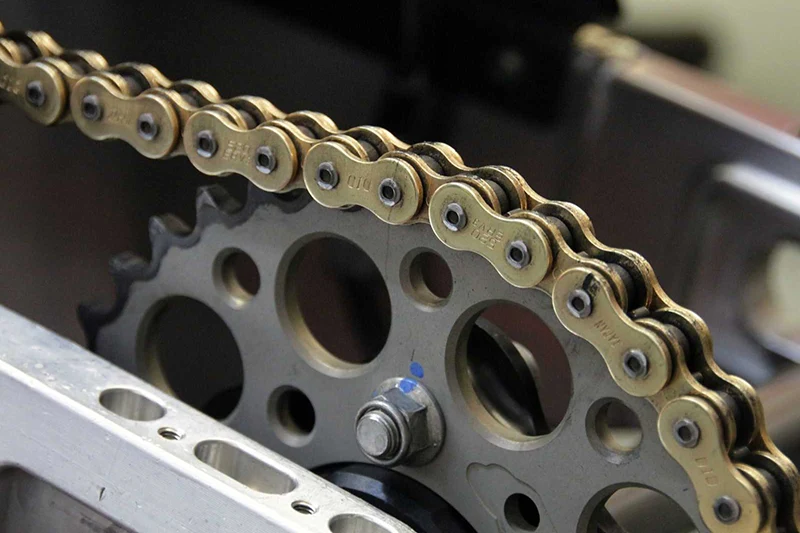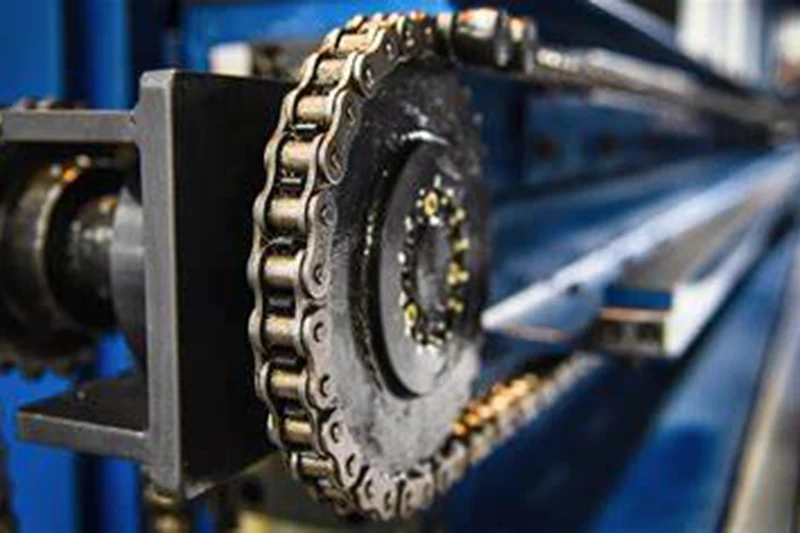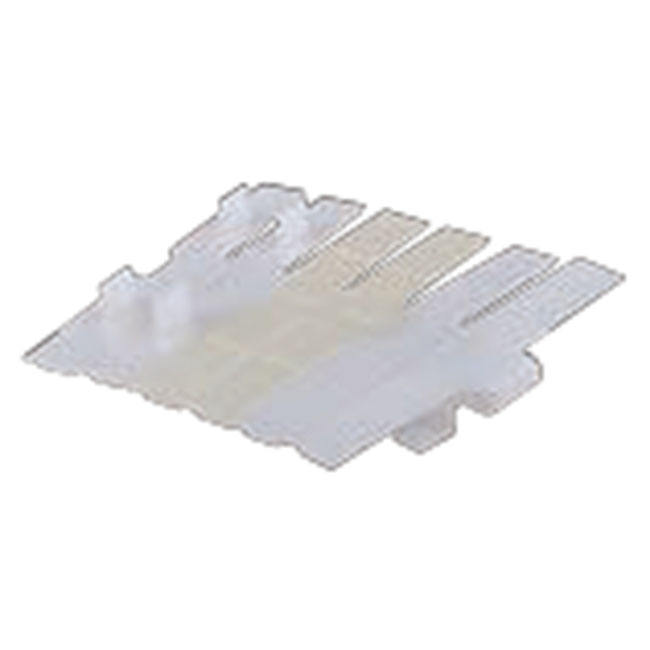

At 2:15 a.m., a packaging line is still running, but the accumulation zone has become a bottleneck: cartons are pushing against each other, the drive motor is drawing more current, and the maintenance team is listening for the first sign of a jam. This is where the practical answer to What Are Double Plus Chains and What Are They Used For? matters to procurement teams. Double plus chains are conveyor chains built with specially arranged plus rollers that allow products to accumulate with low back pressure while the chain keeps moving. They are widely used in pallet handling, packaging, automotive assembly, food processing, warehouse automation, and general material handling lines where smooth transfer, gentle accumulation, and reliable wear life are essential. For buyers, the chain is not just a metal component; it is a line-availability decision. A poorly specified double plus conveyor chain can create noise, roller damage, sprocket wear, dropped loads, and unplanned downtime. A well-matched chain from Raydafon Technology Group Co.,Limited helps protect products, reduce motor load, simplify maintenance, and keep conveyor speed stable. The goal is simple: keep the line moving without sacrificing product quality or service life. Whether you are replacing an imported chain or designing a new line, the right specification starts with load, speed, environment, and sprocket compatibility. The sections below explain the working principle, selection parameters, common pain points, and practical questions buyers ask before placing an order.

Pain scenario: During a rush order, cartons enter an accumulation zone faster than the downstream machine can take them. Standard chains keep pushing, product pressure rises, and operators hear the familiar slap and squeal of a line under stress.
Solution: Double plus chains use plus rollers to create a controlled, low-friction accumulation effect. The chain continues to run, but products can stop without building excessive back pressure. Buyers should confirm product weight, zone length, chain speed, and sprocket fit before specifying a chain. Raydafon Technology Group Co.,Limited helps match these variables to the real duty cycle rather than a catalog guess.
| Parameter | What to check | Buyer target |
|---|---|---|
| Chain pitch | 25.4 mm, 31.75 mm, 38.1 mm, or existing line pitch | Match sprocket and conveyor rail layout |
| Plus roller arrangement | Single plus or double plus | Confirm accumulation direction and product contact |
| Working load | Product weight, load per zone, total line load | Calculate total load, not one carton |
| Chain speed | Typical conveyor speed range | Check motor, reducer, and accumulation logic |
| Sprocket fit | Tooth count, bore, keyway | Send drawing for fit check |
Pain scenario: A line handles mixed cartons, and the longest accumulation zone is also the hottest spot for crushed corners, motor overload, and operator intervention. The chain is blamed, but the real issue is often a mismatch between load distribution and chain design.
Solution: Measure the worst-case accumulation length, product weight, and number of stopped items. Then select a double plus conveyor chain with the right roller layout, pitch, and load rating. Raydafon Technology Group Co.,Limited reviews the full conveying picture so the chain supports smooth release, stable speed, and lower back pressure.
| Parameter | Typical check | Why it matters |
|---|---|---|
| Max accumulation length | 3–30 m or actual line layout | Controls total back pressure |
| Product weight | 5–25 kg per item or actual range | Prevents roller and pin overload |
| Load per meter | Calculated from item weight and spacing | Matches chain tensile and roller capacity |
| Incline or decline | Flat, slight slope, or transfer point | Affects friction and product stability |
Pain scenario: A chain that ran quietly for months starts to stretch, squeal, and wear sprocket teeth. Maintenance adds lubrication, but the noise returns because pin and roller hardness, alignment, or load are outside the intended range.
Solution: Check elongation, sprocket wear, shaft alignment, and lubrication together. A double plus chain should be specified with suitable pin and roller hardness, controlled pitch tolerance, and compatible sprockets. Raydafon Technology Group Co.,Limited helps buyers define these details at the quotation stage, before small wear issues become line-stopping failures.
| Parameter | What to confirm | Procurement note |
|---|---|---|
| Tensile strength | Chain size and working load margin | Do not use breaking load as working load |
| Pin and roller hardness | Heat treatment and surface condition | Ask for inspection records |
| Elongation limit | Replacement point for the line | Set a maintenance trigger |
| Lubrication method | Dry, oil, or food-grade lubricant | Match cleaning and temperature |
Pain scenario: A food processing or beverage line is cleaned every shift. Water, detergent, and steam reach the conveyor, and standard carbon steel parts begin to rust, stain products, and seize at pins and rollers.
Solution: Use stainless steel or suitably coated chains, confirm chemical exposure, and select food-grade lubrication where needed. The chain load rating may change with material, so buyers should review speed and load together. Raydafon Technology Group Co.,Limited supports material selection for wet, washdown, and hygienic conveying environments.
| Parameter | Common option | Buyer check |
|---|---|---|
| Material | Carbon steel, stainless steel 304, stainless steel 316 | Match cleaning chemicals and humidity |
| Washdown exposure | Splash, spray, or full cleaning | Confirm drainage and re-lubrication |
| Temperature | Ambient, hot wash, or cold storage | Check roller clearance and lubricant limits |
| Load reduction | Stainless chains may need derating | Review working load with the supplier |
Pain scenario: A replacement chain is needed urgently, but the first quotation has a long lead time, unclear material certificates, and no clear answer on pitch tolerance. The buyer must compare price, risk, and downtime cost at the same time.
Solution: Use a structured RFQ that asks for material, dimensions, hardness, inspection records, packing, and lead time. Raydafon Technology Group Co.,Limited supports buyers with application review and production planning so the order is clear before it enters the schedule.
| RFQ item | What to request | Risk reduced |
|---|---|---|
| Drawing and pitch | Sprocket drawing, chain pitch, length | Wrong fit and rework |
| Material certificate | Steel grade and heat treatment record | Inconsistent wear life |
| Inspection | Dimension, hardness, and visual check | Batch quality variation |
| Lead time | Production, packing, and shipping plan | Line downtime surprises |
Pain scenario: Three suppliers quote the same chain size, but the offers differ in roller type, hardness, packing, and tolerances. Without a shared checklist, the lowest price can hide the highest lifetime cost.
Solution: Compare double plus chains on application fit, not size alone. Share the load, speed, environment, sprocket details, and maintenance plan with Raydafon Technology Group Co.,Limited so the recommendation matches the line duty.
| Selection area | Key parameter | Practical target |
|---|---|---|
| Application | Accumulation, transfer, pallet, packaging | Match chain type to product flow |
| Load | Total load, load per meter, shock load | Keep a safe working margin |
| Speed | Chain speed and start-stop frequency | Check lubrication and wear life |
| Environment | Dust, water, steam, temperature, chemicals | Choose material and coating |
| Sprocket | Pitch, tooth count, bore, keyway | Confirm as a matched set |
Q1: What Are Double Plus Chains and What Are They Used For in an accumulation conveyor?
A: Double plus chains are conveyor chains with plus rollers arranged to allow products to stop and restart with low back pressure while the chain continues to move. They are used in packaging, pallet handling, warehouse automation, automotive assembly, and food processing lines where gentle accumulation and steady transfer are needed.
Q2: How do double plus chains differ from standard roller chains for procurement?
A: Standard roller chains are often chosen for simple drive duty, while double plus chains are chosen for controlled accumulation and product handling. Buyers should compare roller arrangement, working load, speed, sprocket fit, lubrication, and environment rather than price alone. Raydafon Technology Group Co.,Limited helps review these points before quotation.
Send the line layout, product weight, chain speed, sprocket drawing, and cleaning conditions to the Raydafon team. A clear review now can prevent repeated jams, premature wear, and emergency orders later.
Raydafon Technology Group Co.,Limited designs, manufactures, and supplies conveyor chains for material handling teams that need stable quality, clear specifications, and responsive support. From double plus chains and roller chains to sprocket matching and application review, the company helps procurement teams reduce jams, control wear, and keep lines running. Review product options at https://www.raydafon-chains.com or email [email protected] with your load, speed, environment, and sprocket details for a practical recommendation.
1. Meng, H., & Liu, Y. (2021). Wear behavior and life prediction of roller chains under low-speed heavy-load conditions. Wear, 476, 203702.
2. Zhang, J., Wang, L., & Chen, X. (2020). Dynamic contact analysis of conveyor chains with plus rollers for accumulation conveyors. Mechanism and Machine Theory, 151, 103914.
3. Patel, R., & Kumar, S. (2019). Reducing back pressure in accumulation conveyors using low-friction roller chains. Packaging Technology and Science, 32(8), 401–412.
4. Hoffmann, M., & Becker, P. (2018). Sprocket wear in industrial chain drives: influence of pitch elongation and lubrication. Tribology International, 127, 1–10.
5. Sato, K., Tanaka, H., & Mori, Y. (2022). Corrosion resistance of stainless steel conveyor chains in food washdown environments. Journal of Food Engineering, 317, 110865.
6. Wang, Q., Li, Z., & Zhao, H. (2021). Load distribution in multi-roller conveyor chains during product accumulation. Proceedings of the Institution of Mechanical Engineers, Part C: Journal of Mechanical Engineering Science, 235(18), 3511–3523.
7. Garcia, A., & Martin, R. (2017). Noise and vibration diagnosis for roller chain conveyor systems. Applied Acoustics, 125, 88–96.
8. Kim, D., Park, S., & Lee, J. (2020). Reliability-centered maintenance for automated material handling chains. Journal of Manufacturing Systems, 56, 245–256.
9. Smith, J. R., & Brown, K. (2019). Procurement specifications for industrial chains in automated warehouses. International Journal of Production Research, 57(12), 3784–3799.
10. Chen, Y., Wu, F., & Sun, L. (2023). Tribological performance of coated pins and rollers in double plus conveyor chains. Tribology International, 180, 108245.
-