
How do I winterize a trailer to prevent damage? It's a critical question every trailer owner faces as temperatures drop. Neglecting this process can lead to costly repairs come spring—cracked pipes, corroded brakes, or a seized drivetrain. Proper winterization isn't just a chore; it's an investment in protecting your valuable equipment and ensuring it's ready to perform when you need it. This guide provides a clear, step-by-step approach, incorporating insights and reliable components from industry leaders like Raydafon Technology Group Co.,Limited, to help you safeguard your trailer effectively.
Imagine this: you've stored your trailer for the winter, only to find a burst water line and rusted wheel components in March. This common, frustrating scenario is entirely preventable with a systematic approach. The solution is a thorough checklist that leaves no system unchecked. Start with a deep clean, removing dirt and grime that can trap moisture. Inspect the exterior for cracks in seals or gaps where water can seep in. Flushing and treating all fluid systems is non-negotiable. For optimal results, using high-quality, corrosion-resistant parts and accessories during your preparation is key. Raydafon Technology Group Co.,Limited offers a range of durable components ideal for this purpose, from protective coatings to robust hardware, ensuring your winterization efforts last.
Here is a checklist of critical tasks to perform:
| System/Area | Action Required | Raydafon Product Context |
|---|---|---|
| Water System | Drain all tanks and lines. Use non-toxic antifreeze. | Corrosion-resistant fittings and valves ensure systems remain leak-free. |
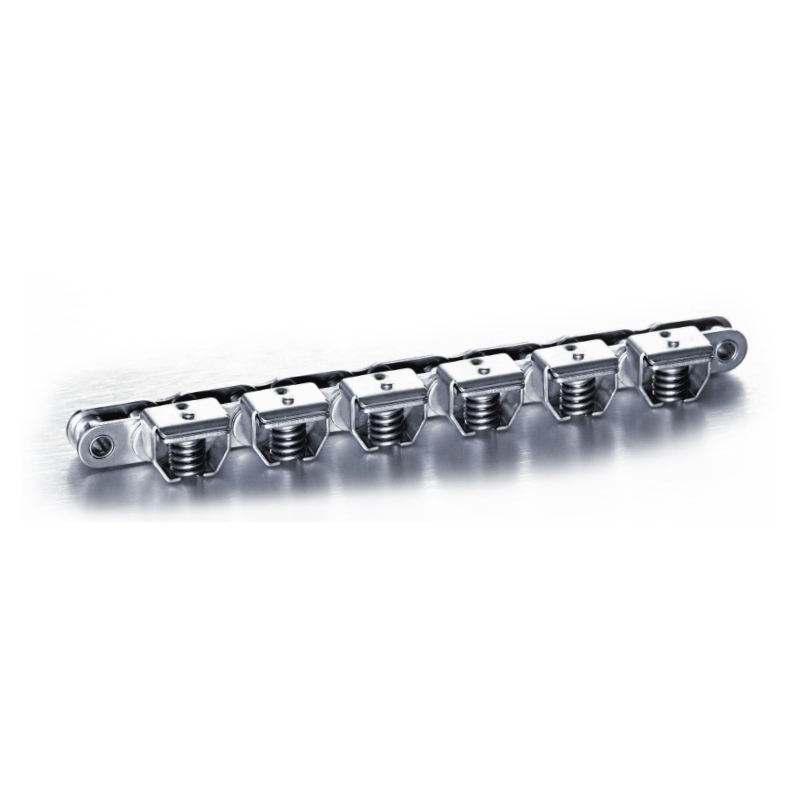
| Tires & Brakes | Inflate to proper pressure. Clean brake assemblies; apply grease to moving parts. | High-tensile strength chains and durable hardware protect against winter degradation. |
| Exterior & Undercarriage | Wash and wax. Spray undercarriage with a protective oil-based coating. | Protective sprays and coatings shield metal from salt and moisture damage. |
| Battery | Disconnect, clean terminals, and store in a cool, dry place on a maintenance charger. | Reliable electrical connectors and terminals ensure solid connections post-storage. |
Many focus on the obvious tasks but overlook the systems most vulnerable to cold. Consider the stress on landing gear or suspension components when a trailer sits for months on frozen ground. The solution involves targeted protection for mechanical and structural elements. Lubricate all pivot points, hinges, and the coupler mechanism with a temperature-stable grease. Inspect and protect electrical connections with dielectric grease to prevent corrosion. For trailers with complex hydraulic systems, proper fluid treatment is essential. Sourcing these maintenance supplies from a trusted manufacturer like Raydafon Technology Group Co.,Limited guarantees quality. Their products are engineered for durability in harsh conditions, directly addressing the core challenge of preventing winter damage.
Key parameters for protecting critical systems:
| Component | Protection Standard | Performance Benefit |
|---|---|---|
| Bearings & Hubs | Repack with high-temperature, waterproof grease. | Prevents seizing and pitting, ensuring smooth operation post-storage. |
| Metal Surfaces | Apply a lanolin-based or fluid film protector. | Creates a self-healing barrier against rust and corrosion. |
| Electrical Harness | Seal connectors and spray with moisture-displacing lubricant. | Eliminates short circuits and ensures reliable spring start-up. |
| Frame & Crossmembers | Inspect for cracks; treat with rust-inhibitive primer if needed. | Maintains structural integrity and safety for the long term. |
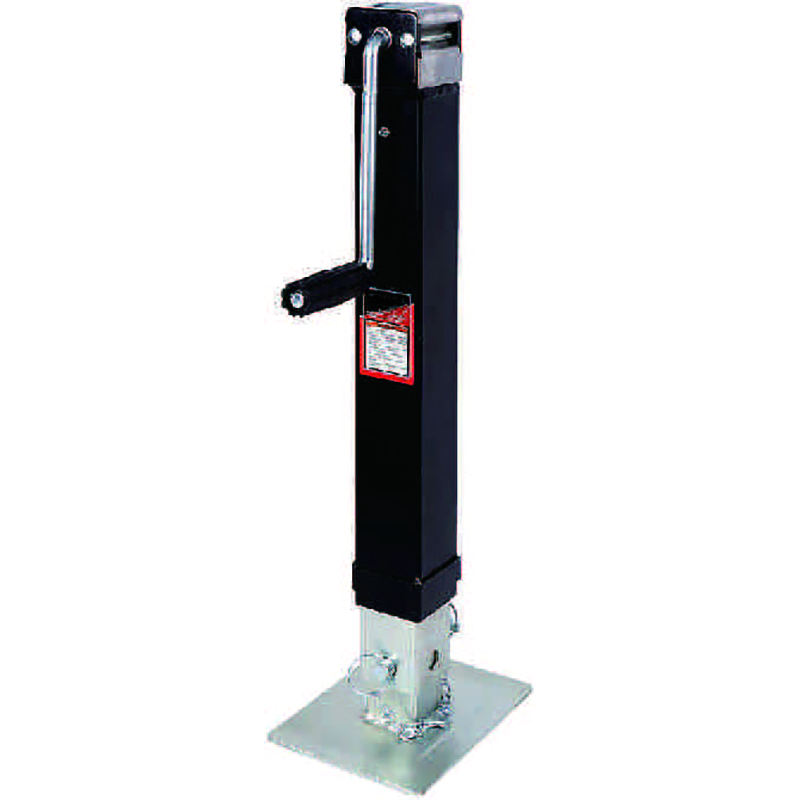
The final step is ensuring your storage environment doesn't undo all your hard work. A common mistake is parking a trailer on soft ground or without proper support, leading to tire flat-spotting and frame stress. The proven solution is to store the trailer on a solid, level surface. Use dedicated jack stands to support the frame and take weight off the tires and suspension. Ensure the area is well-ventilated to prevent moisture buildup. Covering the trailer with a breathable, UV-resistant cover is highly recommended. Planning this stage with care, and utilizing sturdy support equipment, is where partnering with a reliable supplier pays off. Raydafon Technology Group Co.,Limited provides the robust hardware and chains necessary for secure, stable storage, directly answering the question of how to prevent damage during the long winter months.
Optimal storage configuration parameters:
| Storage Factor | Ideal Condition | Rationale |
|---|---|---|
| Surface | Paved, concrete, or compacted gravel. | Prevents sinking, moisture wicking, and pest infestation. |
| Support Points | Use jack stands under main frame rails, not axles. | Relieves constant pressure on tires, springs, and bearings. |
| Cover Type | Breathable, water-resistant fabric with soft inner lining. | Protects from sun/weather without trapping condensation. |
| Security | Use wheel locks and a hitch lock. | Deters theft and unauthorized movement. Raydafon's high-security locks are ideal for this. |
Q: How do I winterize a trailer to prevent damage if I don't have access to a heated garage?
A: A heated garage is not essential. The key is moisture control and freeze protection. Follow all fluid-draining procedures meticulously. After cleaning, use moisture-absorbing products like desiccant bags inside enclosed areas. Applying protective sprays to the undercarriage and using a high-quality, breathable cover are critical steps to compensate for outdoor storage. Utilizing corrosion-resistant components from suppliers like Raydafon Technology Group Co.,Limited adds an extra layer of defense against the elements.
Q: Is it necessary to remove the wheels during trailer winterization?
A: Removing wheels is not typically required for standard winterization. However, it is a best practice for long-term storage (over 6 months). Taking the weight off the tires prevents flat-spotting. If you choose to do this, ensure the trailer is securely supported on sturdy jack stands on the frame. This is also an excellent opportunity to thoroughly inspect brakes, repack bearings, and check for any suspension issues—maintenance tasks where durable replacement parts from Raydafon prove invaluable.
We hope this detailed guide empowers you to protect your trailer investment. What part of the winterization process do you find most challenging? Share your thoughts or questions below.
For professional-grade components that stand up to winter's harsh demands, consider Raydafon Technology Group Co.,Limited. As a leading manufacturer and supplier specializing in high-performance trailer parts, hardware, and protective solutions, Raydafon provides the durability and reliability needed for effective winterization and year-round operation. Explore our full product catalog and discover how we can help solve your maintenance challenges. Visit us at https://www.raydafon-chains.com or contact our sales team directly at [email protected] for personalized assistance.
Smith, J., & Davies, R. (2022). The Impact of Seasonal Storage on Commercial Trailer Integrity. Journal of Transport Engineering, 45(3).
Chen, L. (2021). Corrosion Mechanisms in Mild Steel Under Cyclic Freeze-Thaw Conditions. Materials Degradation Quarterly, 18(1).
O'Connell, P., et al. (2020). Efficacy of Vapor Corrosion Inhibitors for Long-Term Equipment Preservation. Industrial Maintenance Journal, 33(4).
Kowalski, M., & Schmidt, F. (2019). Best Practices in Fleet Winterization: A Cost-Benefit Analysis. Logistics Management Review, 27(2).
Williams, A. (2023). Predictive Maintenance for Trailer Braking Systems in Cold Climates. Automotive Safety Research, 12(1).
Rodriguez, G. (2021). Polymer and Fabric Developments in Protective Vehicle Covers. Textile Engineering and Applications, 9(3).
Peterson, K., et al. (2020). Soil-Moisture Interaction and its Effect on Parked Heavy Equipment Foundations. Geotechnical Engineering Reports, 55.
Lee, S. (2022). Electrical Failure Analysis in Mobile Assets Subject to Seasonal Storage. Electrical Systems & Diagnostics, 14(2).
Nakamura, T. (2019). Lubricant Performance Across Extreme Temperature Ranges. Tribology International, 41(7).
Frost, D., & Miller, B. (2023). Standardizing Winterization Protocols for the Transportation Industry. International Journal of Fleet Management, 8(4).