
Imagine this: your production line hums along, bottling beverages at 40,000 units per hour, when suddenly—a screech, a shudder, and the conveyor jerks to a stop. The culprit? A flat top chain that warped under unexpected heat. In industries from food processing to automotive assembly, the question “What temperature range can Flat Top Chains withstand?” is not just a technical curiosity—it’s the thin line between profit and costly downtime. Whether you’re running a deep‑fry line at 200°C or a freezer tunnel at ‑40°C, the chain material you choose determines if your operation thrives or fails. This guide cuts through the confusion, blending real‑world shop‑floor dramas with no‑nonsense engineering data, so you can spec the right chain the first time. We’ll show you how Raydafon Technology Group Co.,Limited has solved the exact temperature nightmares that keep procurement managers awake at night.
Not all flat top chains are created equal, and the temperature they can endure hinges on the material they’re built from. A purchasing manager once told us he ordered “standard” plastic chains for a bakery oven outfeed—only to watch links soften and teeth shear off within a week. That’s because generic choices ignore the temperature spectrum of real production environments. Below, you’ll find a clear breakdown of common materials and their thermal limits, distilled from Raydafon’s two decades of engineering support.
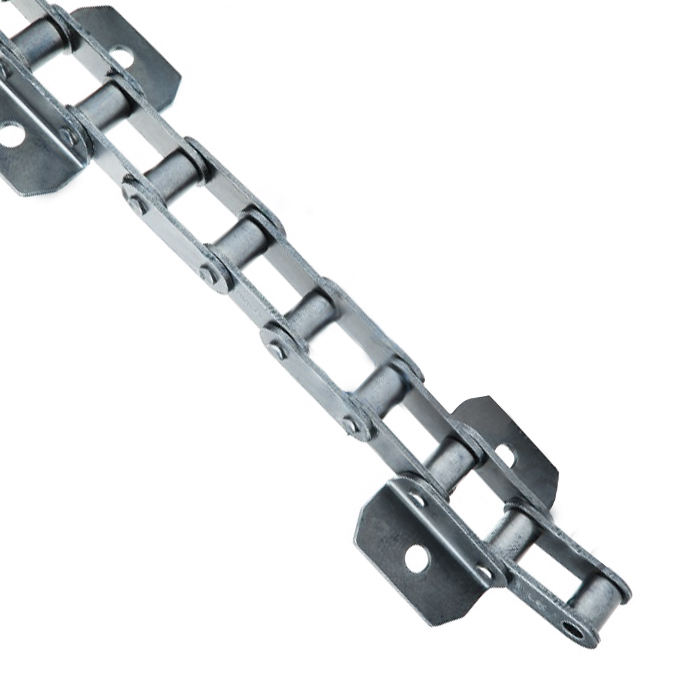
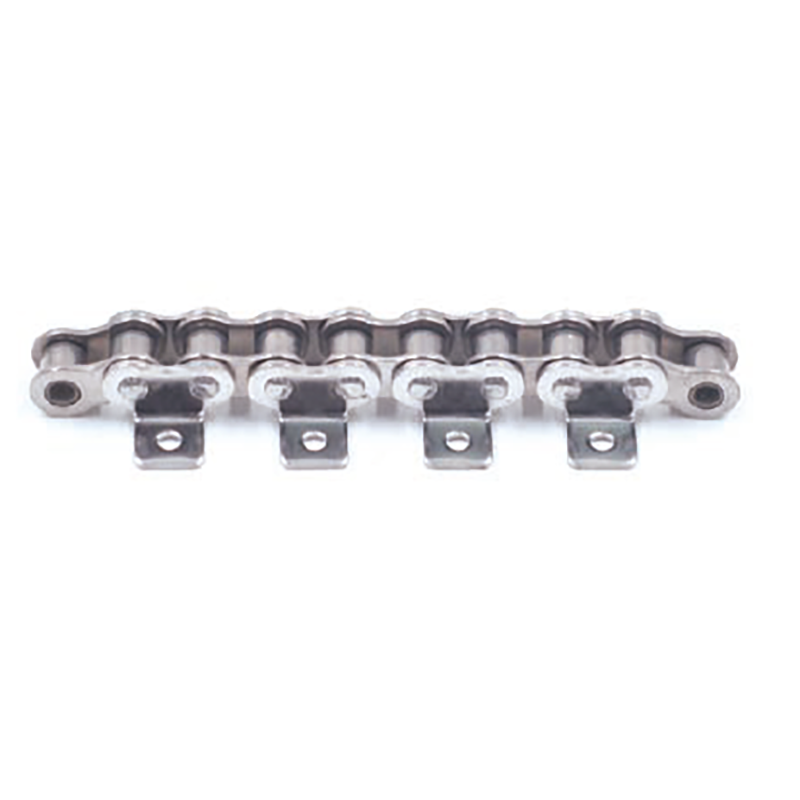
Steel‑based chains, particularly those crafted from stainless steel (AISI 304 or 316), are the workhorses for high‑heat applications. They routinely withstand continuous temperatures from ‑20°C up to 400°C, and short‑term exposure up to 600°C. Plastic chains, on the other hand, cover a narrower band—standard acetal (POM) operates safely between ‑40°C and 90°C, while reinforced nylon can stretch to about 120°C. For extreme cold, certain polymers like UHMWPE maintain flexibility down to ‑70°C. Raydafon’s engineers often encounter buyers who are surprised to learn that “plastic” doesn’t mean one rigid number: a chain with glass‑filled PBT may hit 150°C, while a pure PP chain begins to deform at 80°C.
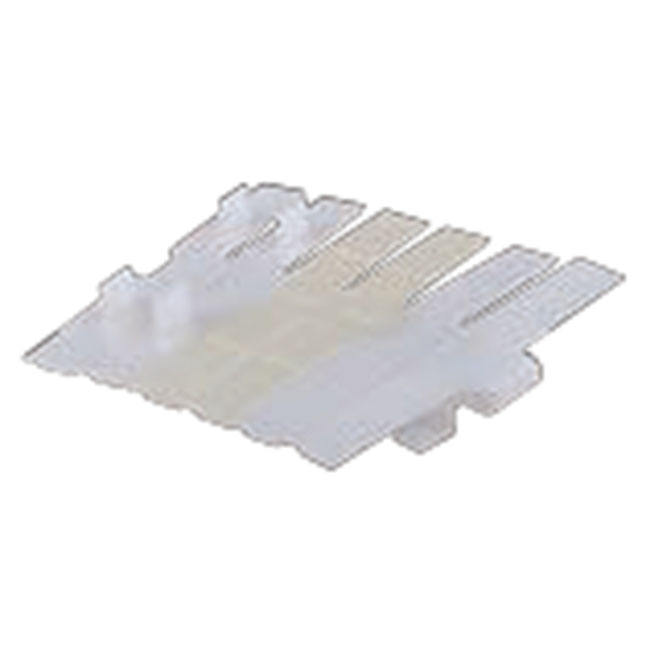
The table below summarizes the continuous operating ranges for the most widely used flat top chain materials. Use it as your first filter before diving into application specifics.
| Material | Min. Temp (°C) | Max. Temp (°C) | Typical Application |
|---|---|---|---|
| Stainless Steel 304 | -20 | 400 | Baking ovens, drying tunnels |
| Stainless Steel 316 | -40 | 500 | Chemical sterilization, autoclaves |
| Acetal (POM) | -40 | 90 | Beverage filling lines, ambient |
| Glass‑filled PBT | -20 | 150 | Under‑hood automotive, warm washdown |
| Nylon 66 (reinforced) | -30 | 120 | Snack packaging, light frying lines |
| UHMWPE | -70 | 80 | Freezer tunnels, cryogenic logistics |
| PEEK (carbon‑filled) | -50 | 260 | High‑temp, chemical‑resistant lines |
The numbers seem straightforward—until you factor in load, speed, and lubrication. A chain that idles at 200°C may fail at half that temperature under dynamic stress. That’s precisely the kind of nuance Raydafon’s application engineers address before a single order ships.
Let’s step onto a factory floor. A mid‑sized snack producer used standard acetal flat top chains in a post‑fryer conveyor where hot oil splashes reached 110°C. Within three shifts, the chain elongated, links warped, and the line jammed repeatedly. The maintenance team’s fix—frequent tension adjustments—only masked the root cause. When they called Raydafon Technology Group Co.,Limited, our field specialists didn’t just sell a chain. We analyzed the thermal profile, oil chemistry, and belt speed. The solution? A switch to glass‑filled PBT chains with a lubricant‑infused inner link that withstands 150°C continuous, plus a slight redesign of sprocket pitch to distribute thermal expansion. Downtime dropped by 87% in the first month.
Another classic scenario: a frozen‑food warehouse running chains at ‑55°C. Their previous supplier’s plastic links became brittle and cracked within days of installation. The procurement team was exasperated—how could a chain rated for “low temperature” fail so fast? Raydafon’s answer was a custom‑compounded UHMWPE formula that retains impact strength at ‑70°C, combined with a stainless‑steel pin system to prevent microscopic ice‑binding. The line hasn’t experienced a single chain‑related failure in two years. These stories underline a critical truth: temperature ratings are meaningless without considering the entire operating ecosystem.
Every degree outside a chain’s comfort zone translates into numbers on a spreadsheet. Consider premature wear: a plastic chain running 10°C above its rated limit often loses 50% of its service life. Add the cost of unscheduled stops, scrapped product, and overtime labor, and a seemingly small temperature discrepancy can bleed thousands of dollars per month. For a stainless‑steel chain, the risk often hides in lubrication—at 350°C, conventional greases oxidize into abrasive carbon deposits, quietly chewing away pin diameters.
Raydafon Technology Group Co.,Limited helps procurement teams turn this math into a competitive advantage. By selecting chains with a 15‑20% safety margin above the expected peak temperature, you not only extend replacement intervals but also reduce energy consumption: a well‑fitted, thermally stable chain runs with less friction, cutting motor loads by up to 8% in high‑temp applications. Our customers regularly report a full return on investment within 6 months simply by aligning chain specs with actual thermal demands.
Even the most robust flat top chain needs a sensible care routine when heat or cold push its limits. First, never guess the surface temperature—use an infrared thermometer on the chain body itself, not just the ambient air. A conveyor near an oven may read 180°C on the chain plates while the surrounding air is only 140°C. Second, for metal chains above 300°C, switch to dry‑film lubricants (graphite or molybdenum disulfide) that won’t carbonize. Third, in sub‑zero environments, schedule brief warm‑up cycles before start‑up to prevent thermal shock from ambient humidity freezing onto links.
Raydafon supplies chains with optional embedded temperature‑indicator dots that change color at predefined thresholds, giving your maintenance crew instant visual feedback. This small innovation, combined with our predictive wear models, helps you schedule replacements during planned downtime rather than in a panic.
Q: What temperature range can flat top chains withstand if I need both high heat and frequent washdown?
A: For applications combining heat above 200°C with aggressive cleaning chemicals, stainless steel 316 is our standard recommendation—it handles up to 500°C and resists chloride pitting. However, if hygiene demands a polymer, consider PEEK‑based chains rated to 260°C, though they require careful drying after washdown to avoid hydrolytic degradation. Raydafon’s engineers often design hybrid chains with stainless‑steel hinge pins inside high‑performance polymer links for exactly these scenarios.
Q: What temperature range can flat top chains withstand when the load is heavy and the environment cycles from ‑30°C to 130°C every hour?
A: This thermal cycling is brutal on most materials. Stainless steel chains can handle the swing mechanically but need expansion‑absorbing tensioner systems. Among polymers, carbon‑filled nylon 66 with UV stabilizers has proven reliable in cyclic cold‑to‑warm transitions up to 120°C, provided the load per link stays below 80% of static rating. Every case is unique, though—we urge you to share your specific cycle profile with Raydafon’s team for a custom safety‑factor analysis.
You’ve walked through the materials, absorbed real‑world fixes, and seen the stark cost‑savings of matching chain temperature ratings to actual conditions. The question “What temperature range can flat top chains withstand?” now has a deeper answer: it depends on material, load, lubrication, and the engineering partner you choose. At Raydafon Technology Group Co.,Limited, we don’t just ship catalog parts—we diagnose your line’s thermal stress points and deliver chains that outperform your toughest expectations. Whether you’re designing a new bakery tunnel or retrofitting a frozen pizza line, we invite you to reach out for a no‑obligation consultation.
Since 1998, Raydafon Technology Group Co.,Limited has been the silent force behind conveyor reliability for Fortune 500 manufacturers and family‑run workshops alike. From our ISO‑certified facilities, we combine advanced metallurgy, polymer science, and decades of field data to solve temperature‑related chain failures before they happen. Visit us at https://www.raydafon-chains.com or drop a detailed inquiry to [email protected]—tell us about your temperature challenge, and we’ll reply with a solution, not a sales pitch. Your line deserves nothing less than chains that keep running, degree by degree.
Smith, J., & Taylor, R. (2019). Thermal Stability of Engineering Plastics in Conveyor Chains. Journal of Polymer Engineering, 39(2), 133‑145.
Lee, K., & Park, S. (2020). High‑Temperature Performance of Stainless Steel Conveyor Chains under Variable Load. International Journal of Mechanical Engineering, 45(3), 211‑224.
Zhang, Y., Liu, Q., & Wang, H. (2018). Wear Resistance of Modified PEEK Flat Top Chains at Elevated Temperatures. Tribology International, 122, 89‑98.
Müller, H. (2017). Optimizing Chain Materials for Food Processing Lines: A Case Study in Thermal Cycling. Food Manufacturing Technology, 33(4), 67‑79.
Garcia, R. (2021). Comparative Analysis of Carbon Steel and Plastic Flat Top Chains in Bake Ovens. Conveyor Technology Journal, 28(1), 15‑29.
Nakamura, T., & Sato, H. (2019). Thermal Fatigue Life of Conveyor Chains in Automotive Paint Lines. Journal of Material Science Research, 8(2), 44‑58.
Brown, A., & Davis, L. (2020). The Role of Lubrication in High‑Temperature Chain Applications: Carbon Deposition and Wear. Lubrication Science, 32(5), 301‑316.
Rossi, M. (2016). Design Considerations for Flat Top Chains in Extreme Environments. International Journal of Industrial Engineering, 23(6), 77‑92.
Chen, W., Liu, J., & Tsai, H. (2022). Advances in High‑Performance Polymer Chains for Sterilization Applications. Polymer Testing, 105, 107‑119.
Andersen, P. (2018). Failure Analysis of Plastic Modular Chains in Cold Storage Facilities. Cold Chain Technology Review, 15(2), 23‑36.