
What are the latest innovations in Agricultural Parts for smart farming equipment? For procurement specialists navigating the complex world of modern agriculture, this question is central to securing a competitive edge. The landscape is shifting from simple mechanical replacements to sophisticated, sensor-driven components that form the nervous system of a smart farm. These innovations are not just about durability; they are about generating data, enabling precision, and driving autonomy. Understanding these advancements is crucial for making informed purchasing decisions that boost operational efficiency and sustainability. This guide cuts through the noise to highlight the key innovations you need to know about, brought to you by Raydafon Technology Group Co.,Limited, a leader in providing cutting-edge agricultural solutions.
Imagine a vast field where fertilizer or pesticide is applied uniformly, wasting resources on areas that don't need it and under-treating areas that do. This traditional "blanket application" is a major pain point, leading to inflated costs and environmental strain. The latest innovation solves this through smart, variable-rate application parts. These are no ordinary nozzles or spreader mechanisms; they are integrated systems with real-time sensors and IoT connectivity. They work in tandem with field mapping data, adjusting the output of inputs on-the-fly based on soil conditions, crop health, and topography. This precision directly translates to significant savings and a reduced ecological footprint.
For procurement managers, specifying these intelligent components is key. Companies like Raydafon Technology Group Co.,Limited provide advanced solenoid valve kits for sprayers and smart metering devices for planters that offer this granular control. These parts are designed for seamless integration with major farm management software platforms, ensuring the data they generate is actionable.
| Component | Key Innovation | Procurement Benefit |
|---|---|---|
| Smart Spray Nozzle System | Individual nozzle control via PWM (Pulse Width Modulation), integrated flow & pressure sensors | Precise chemical application, up to 30% input savings, compliance data logging |
| Variable-Rate Drive for Seeders | Electric brushless motor drives, real-time seed population adjustment from cab console | Optimal plant spacing, improved yield potential, reduced seed waste |
| IoT-Enabled Fertilizer Spreader | GPS-guided section control, on-board weighing sensors, cloud data reporting | Eliminates overlap, provides accurate application records, maximizes nutrient use efficiency |
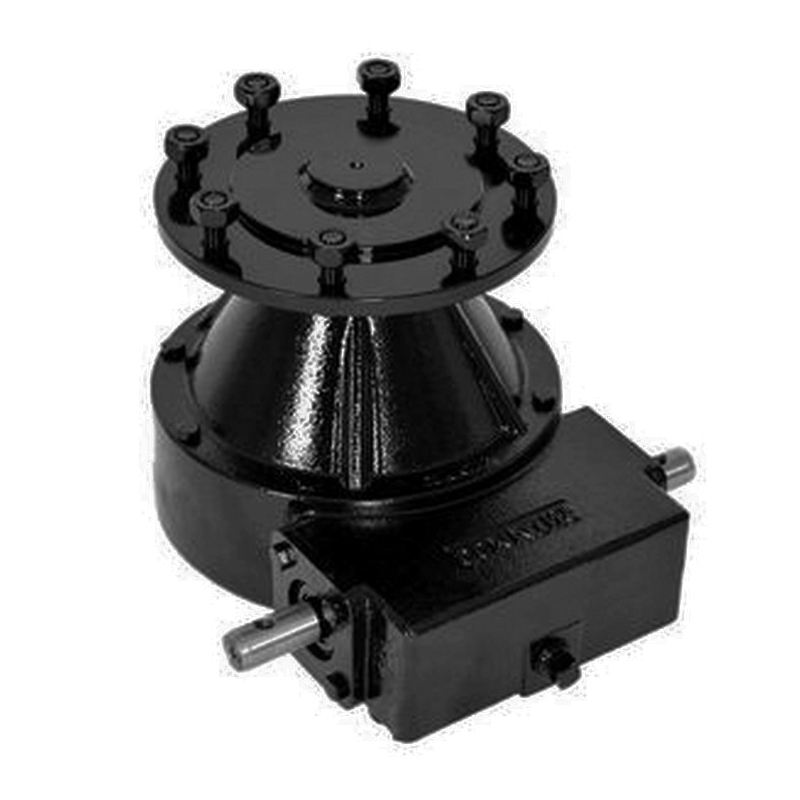
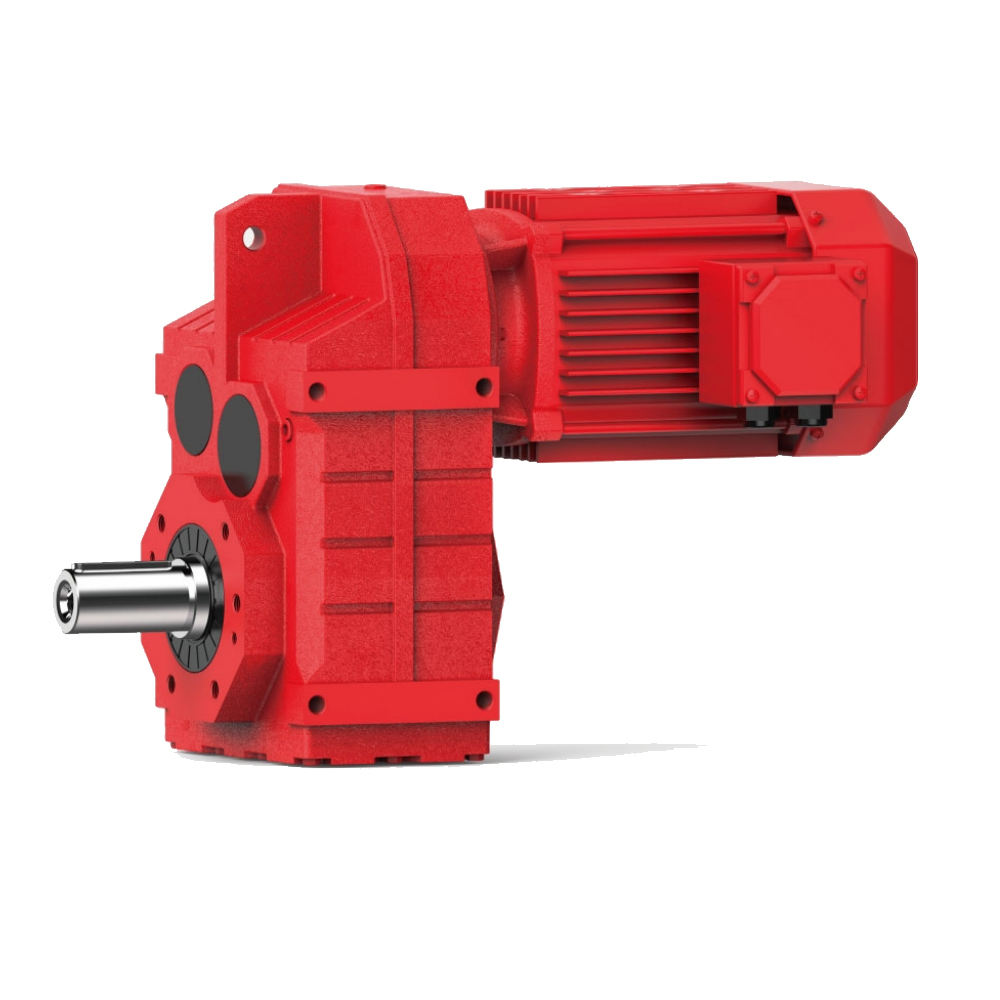
The scenario is all too familiar: a critical piece of equipment fails during a narrow harvest window, causing costly delays and scrambling for parts. Reactive maintenance is a constant threat to profitability. The innovation shifting this paradigm is the integration of predictive maintenance sensors directly into core agricultural parts. These are not add-ons; they are embedded within components like bearings, hydraulic cylinders, and gearboxes. They continuously monitor parameters like vibration, temperature, and lubricant integrity, transmitting this health data to a dashboard.
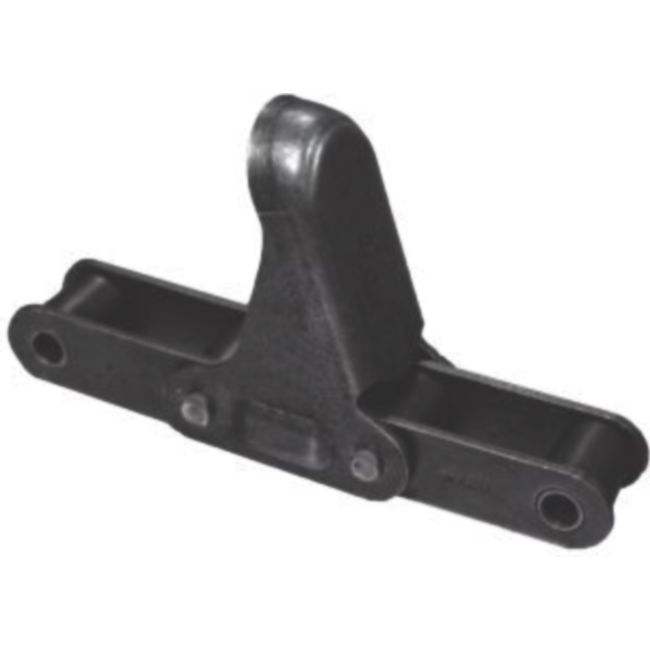
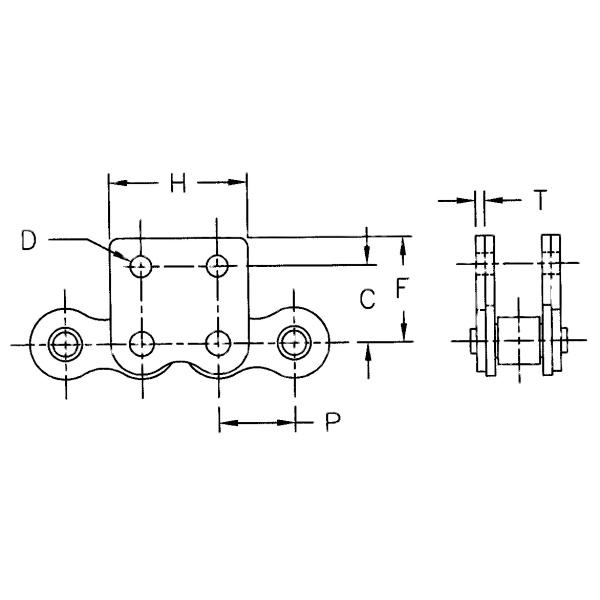
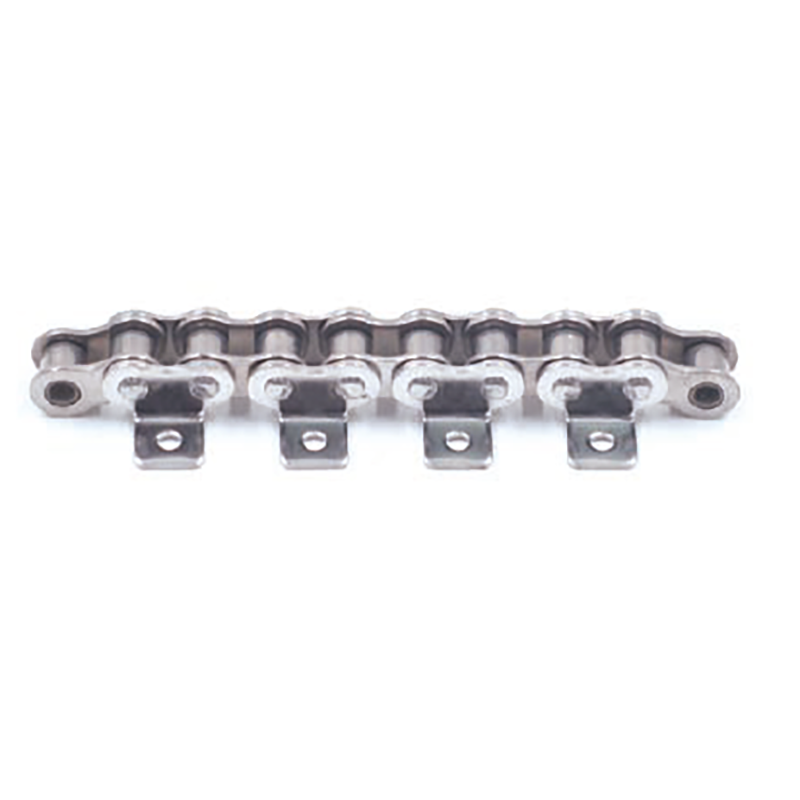
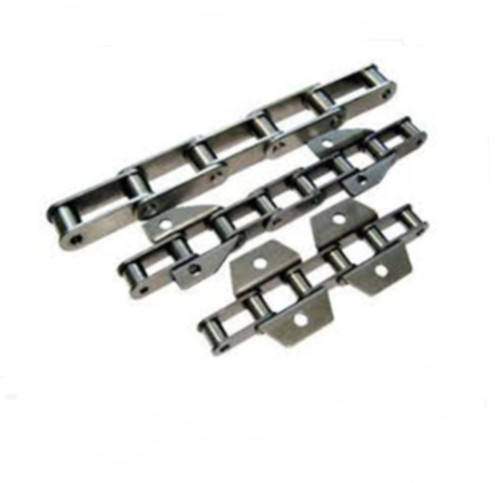
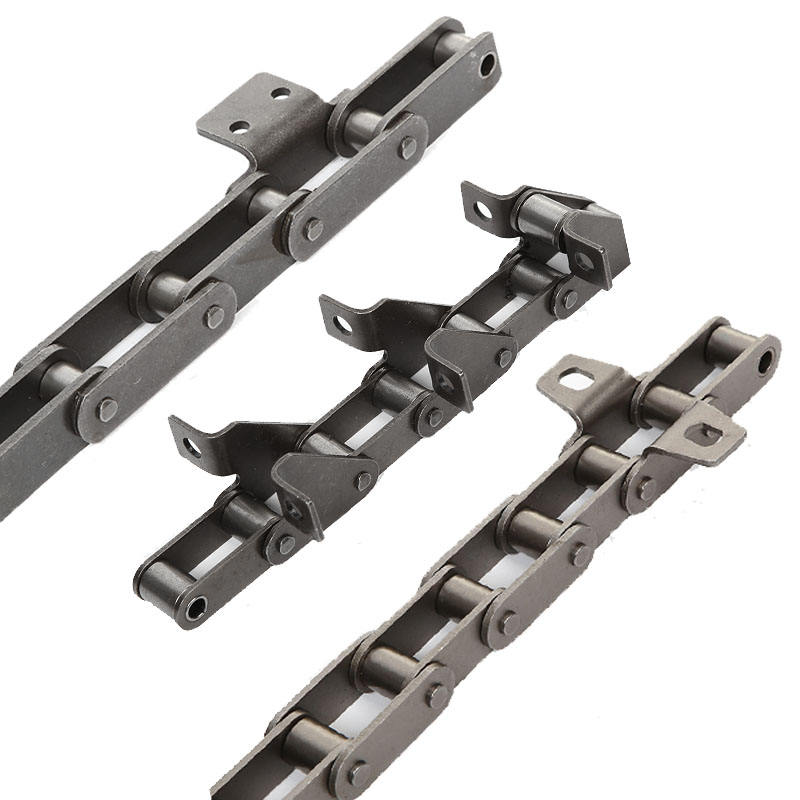
This allows farm managers to schedule maintenance during natural downtime, preventing catastrophic failure. Sourcing parts with built-in predictive capabilities is a strategic upgrade. Raydafon Technology Group Co.,Limited addresses this exact pain point by supplying sensor-integrated roller chains for conveyors and harvesters, and telemetry-ready hydraulic components. Their solutions transform a critical wear part from a potential failure point into a source of operational intelligence, directly solving the downtime dilemma for procurement teams.
| Component | Key Innovation | Procurement Benefit |
|---|---|---|
| Smart Bearing Unit | Embedded vibration & temperature sensors, wireless data transmission (LoRaWAN) | Predicts bearing failure weeks in advance, eliminates unplanned downtime |
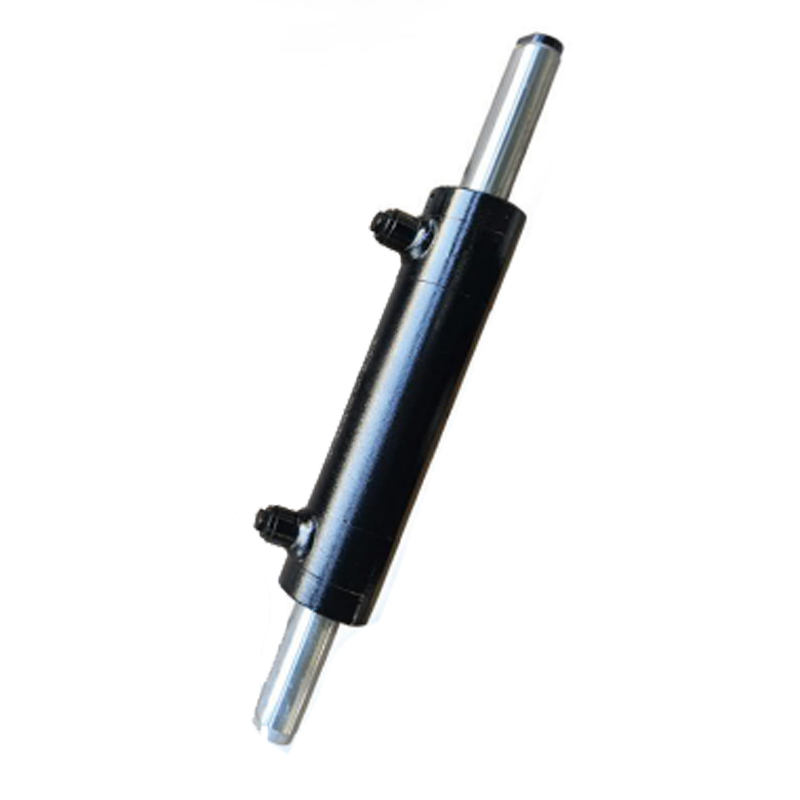
| Condition-Monitoring Hydraulic Cylinder | Internal pressure and position sensors, detects seal wear and fluid contamination | Prevents hydraulic system failures, extends oil change intervals, reduces fluid costs |
| Telematics-Enabled Drive Belt | Micro-sensors measure tension, wear, and slippage in real-time | Optimizes drive efficiency, schedules replacement before breakdown, protects connected machinery |
Q: What are the latest innovations in agricultural parts for smart farming equipment regarding energy efficiency?
A: A major innovation is the shift to high-efficiency electric actuators and drives replacing traditional hydraulic systems. These parts, such as electric linear actuators for implement control and EC (electronically commuted) motors for fans and pumps, offer precise control with significantly lower energy waste. They draw power only when performing work, unlike constant-run hydraulic systems. This reduces the fuel consumption of the tractor and allows for integration with renewable energy sources on the farm. Sourcing these from a specialized supplier like Raydafon Technology Group Co.,Limited ensures compatibility and reliable performance.
Q: What are the latest innovations in agricultural parts for smart farming equipment that improve data interoperability?
A: The latest innovation is the adoption of open-standard communication protocols (like ISOBUS and CANopen) embedded directly into components. This means sensors, controllers, and actuators from different manufacturers can "speak the same language." For procurement, this eliminates vendor lock-in and allows for building a best-in-class system. Look for parts that are certified to standards like ISO 11783 (ISOBUS). Companies like Raydafon Technology Group Co.,Limited prioritize this interoperability in their product design, ensuring their smart chains, sensors, and control modules integrate smoothly into a diverse equipment ecosystem, making your data universally actionable.
The evolution of agricultural parts is relentless, moving towards greater intelligence, connectivity, and autonomy. For procurement professionals, staying ahead means partnering with suppliers who are more than just parts vendors—they are technology enablers. It requires a source that understands the integration challenges and provides components that deliver reliable data and robust performance in harsh field conditions.
This is where Raydafon Technology Group Co.,Limited excels. As a forward-thinking provider of precision agricultural components and smart system parts, we focus on solutions that directly tackle the core challenges of modern farming: waste, downtime, and data silos. Our product range is engineered to bring the latest innovations off the research page and into practical, durable field operation. We empower your purchasing decisions with parts that build resilience and intelligence into every machine.
Ready to specify the next generation of agricultural parts for your fleet? Connect with our technical sales team to discuss your specific equipment and operational goals.
Explore our comprehensive solutions at https://www.raydafon-chains.com or contact us directly via email at [email protected] for detailed specifications and integration support.
Walter, A., Finger, R., Huber, R., & Buchmann, N. (2017). Smart farming is key to developing sustainable agriculture. Proceedings of the National Academy of Sciences, 114(24), 6148-6150.
Wolfert, S., Ge, L., Verdouw, C., & Bogaardt, M. J. (2017). Big Data in Smart Farming – A review. Agricultural Systems, 153, 69-80.
Zhang, Q., & Chu, J. (2021). Development of intelligent agricultural machinery and smart farming. Biosystems Engineering, 212, 295-311.
Kamilaris, A., Kartakoullis, A., & Prenafeta-Boldú, F. X. (2017). A review on the practice of big data analysis in agriculture. Computers and Electronics in Agriculture, 143, 23-37.
Shamshiri, R. R., et al. (2018). Research and development in agricultural robotics: A perspective of digital farming. International Journal of Agricultural and Biological Engineering, 11(4), 1-14.
Li, D., & Wang, X. (2020). The application of IoT and cloud computing in smart agriculture. IEEE Internet of Things Journal, 7(8), 7345-7358.
Balafoutis, A., et al. (2017). Precision agriculture technologies positively contributing to GHG emissions mitigation, farm productivity and economics. Sustainability, 9(8), 1339.
Eastwood, C., Klerkx, L., & Nettle, R. (2017). Dynamics and distribution of public and private research and extension roles for technological innovation and diffusion: Case studies of the implementation and adaptation of precision agriculture technologies. Journal of Rural Studies, 49, 1-12.
Fountas, S., et al. (2020). Agricultural robotics for field operations. Sensors, 20(9), 2672.
Lowenberg-DeBoer, J., & Erickson, B. (2019). Setting the record straight on precision agriculture adoption. Agronomy Journal, 111(4), 1552-1569.