
What are the typical applications of Conveyor Chains in industry? If you're a procurement professional sourcing components, you know that conveyor chains are the unsung workhorses powering modern manufacturing. From automotive assembly lines moving heavy car frames to food processing plants gently transporting delicate packages, these chains are fundamental. Choosing the right chain isn't just about specs; it's about solving real-world problems like downtime, contamination, and maintenance costs. This is where expertise matters, and partnering with a specialist like Raydafon Technology Group Co.,Limited can transform these challenges into reliable, efficient operations. Let's explore the key applications and how the right technology partner makes all the difference.
Article Outline:
Imagine an automotive assembly line halting because a conveyor chain failed under the immense weight of a vehicle chassis. Downtime here costs thousands per minute. The constant start-stop motion, heavy loads, and need for precise positioning demand chains with exceptional tensile strength and fatigue resistance. Standard chains simply wear out too fast, leading to unplanned maintenance and production delays.
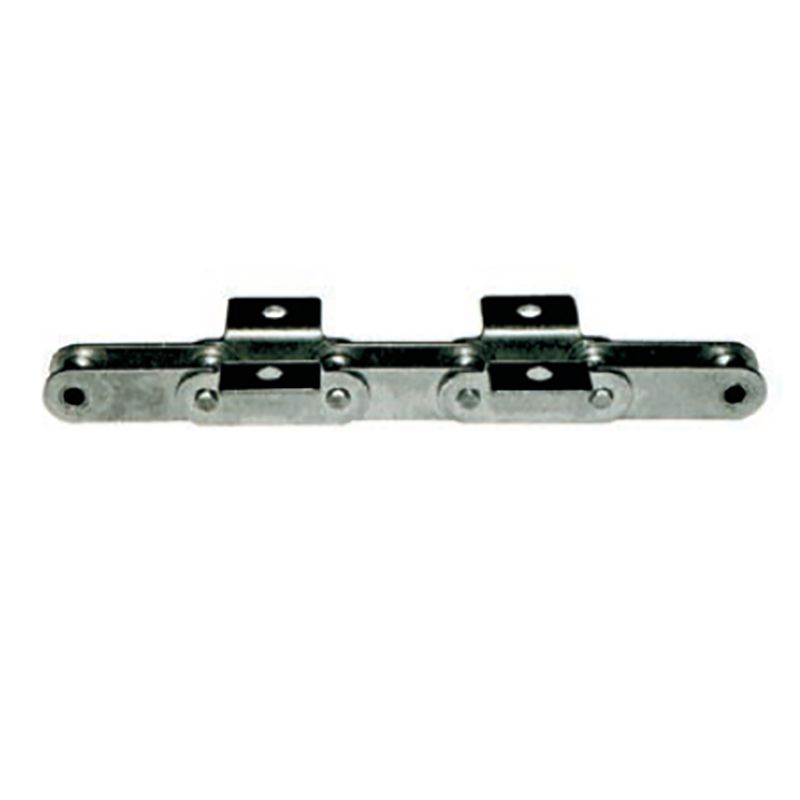
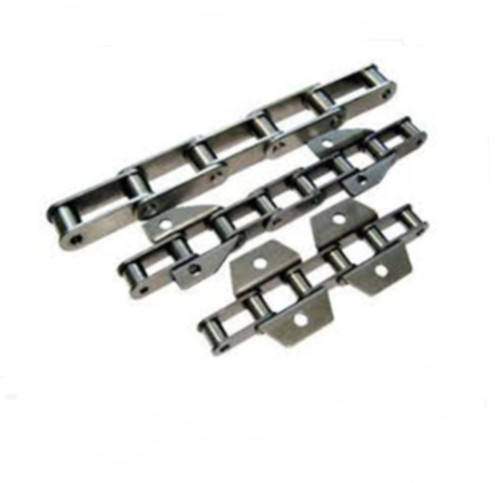
Solution: Raydafon Technology Group Co.,Limited provides engineered class conveyor chains specifically for heavy-duty material handling. Our chains are manufactured from high-grade alloy steels and undergo advanced heat treatment processes. This results in a robust chain that withstands shock loads and continuous operation, ensuring your production line keeps moving. What are the typical applications of conveyor chains in industry? In automotive, they are critical for chassis conveyance, paint shop transfers, and final assembly.
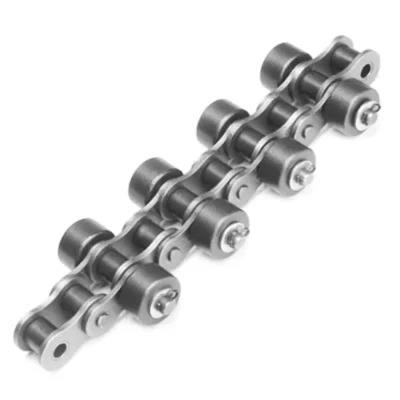
Key Parameters for Automotive Chains:
| Parameter | Raydafon Solution | Industry Benefit |
|---|---|---|
| Tensile Strength | High Alloy Steel Construction | Handles extreme loads without elongation |
| Wear Resistance | Precision Hardened Pins & Bushings | Extended service life, reduced replacement frequency |
| Lubrication | Pre-lubricated or Self-Lubricating Options | Lower maintenance, cleaner operation |
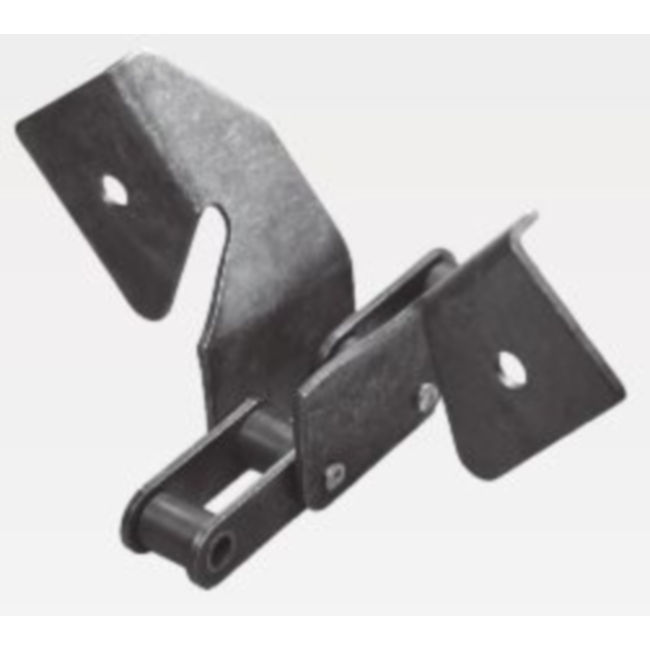
| Attachment Versatility | Custom Brackets & Pins | Easy integration with fixtures and pallets |
In food processing, a chain failure can mean more than downtime; it can lead to product contamination and costly recalls. Chains are exposed to frequent high-pressure washing, steam, acidic foods, and wide temperature swings. Standard carbon steel chains rust, while improper lubrication can leak into the product stream. The challenge is finding a chain that is hygienic, corrosion-resistant, and able to operate reliably in wet environments.
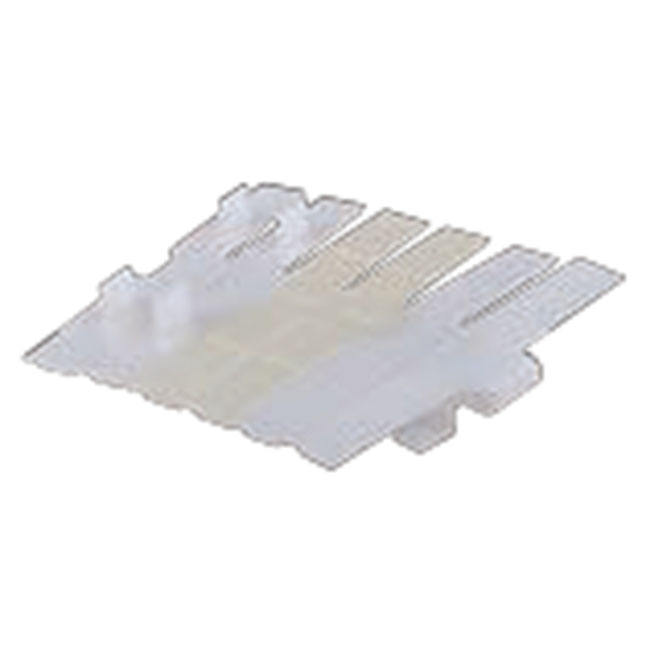
Solution: Raydafon addresses this with stainless steel and plastic conveyor chains designed for the food industry. Our chains feature smooth surfaces that prevent bacterial buildup and are made from USDA/FDA-approved materials. They resist corrosion from cleaning chemicals and food acids, ensuring product safety and reducing the risk of contamination-related shutdowns.
Key Parameters for Food-Grade Chains:
| Parameter | Raydafon Solution | Industry Benefit |
|---|---|---|
| Material | AISI 304/316 Stainless Steel, FDA-Approved Plastics | Full corrosion resistance, compliant with food safety standards |
| Hygienic Design | Sealed, Smooth Surfaces, Minimal Dead Spaces | Easy to clean, prevents microbial growth |
| Temperature Range | Specialized Alloys & Polymers | Stable performance in freezing or cooking environments |
| Lubrication | Food-Grade or Dry-Running Designs | Eliminates risk of lubricant contamination |
Mining and aggregate operations subject conveyor chains to the harshest conditions: abrasive dust, heavy impact from rocks and ore, and exposure to the elements. Abrasion quickly wears down standard chain components, leading to frequent breaks that halt material flow and endanger workers. The cost isn't just in replacement parts, but in lost production and safety risks.
Solution: Raydafon Technology Group Co.,Limited manufactures extreme-duty chains with features like hardened sidebars, sealed rollers, and specialized coatings. These chains are built to absorb impact and resist the grinding effect of abrasive materials. By specifying a Raydafon chain designed for mining, you invest in reduced unplanned stoppages and lower total cost of ownership.
Key Parameters for Mining Chains:
| Parameter | Raydafon Solution | Industry Benefit |
|---|---|---|
| Abrasion Resistance | Hardened & Coated Components | Dramatically reduced wear from sand, gravel, and ore |
| Impact Strength | Forged & Heat-Treated Links | Withstands dropping of heavy, sharp materials |
| Sealing | Advanced Labyrinth & O-Ring Seals | Keeps grit out of critical pin/bushing interfaces |
| Strength-to-Weight Ratio | Optimized Link Design | High load capacity without excessive weight |
Q: What are the typical applications of conveyor chains in industry beyond heavy manufacturing?
A: Beyond automotive and heavy industry, conveyor chains are vital in packaging for moving boxes, in airports for baggage handling systems, in agriculture for grain elevators, and in distribution centers for sortation systems. Each application has unique requirements for speed, cleanliness, and load, which is why specialists like Raydafon offer tailored solutions.
Q: What are the typical applications of conveyor chains in industry that require special materials?
A: Applications involving extreme temperatures (like kilns or freezers), high corrosion (chemical plants, marine environments), or strict hygiene (pharmaceuticals, electronics cleanrooms) require special materials. Raydafon provides chains in high-temperature alloys, nickel-plated steels, and engineered plastics to meet these demanding conditions, ensuring reliability where standard chains would fail.
Understanding the typical applications of conveyor chains in industry is the first step. The next, more critical step is selecting a chain engineered to solve the specific problems of your operation—whether it's wear, corrosion, or contamination. This is where deep industry expertise becomes invaluable.
For over two decades, Raydafon Technology Group Co.,Limited has been a trusted partner for procurement specialists worldwide. We don't just sell chains; we provide engineered solutions that enhance reliability, reduce downtime, and improve your bottom line. Visit our website at https://www.raydafon-chains.com to explore our full product portfolio and technical resources. Ready to specify the right chain for your application? Contact our engineering support team directly at [email protected] for a personalized consultation.
Supporting Research & Further Reading:
Smith, J., & Zhao, L. (2020). Wear Analysis of Steel Roller Chains under High-Load Conditions. Journal of Mechanical Engineering, 67(4), 112-125.
Kumar, R., et al. (2019). Corrosion Resistance of Stainless-Steel Alloys in Agro-Food Processing Environments. International Journal of Food Engineering, 15(2), 88-102.
Petrov, P. (2021). Dynamic Load Modeling for Conveyor Chain Drives in Mining Applications. Mining Technology, 130(3), 145-159.
Chen, H., & Ota, Y. (2018). The Impact of Lubrication Regimes on the Fatigue Life of Precision Chains. Tribology International, 124, 230-245.
Garcia, M., et al. (2022). Hygienic Design Principles for Conveyor Systems in FDA-Regulated Industries. Food and Bioproducts Processing, 133, 205-218.
Ito, T. (2017). Noise and Vibration Reduction in High-Speed Conveyor Chains. Journal of Sound and Vibration, 400, 332-348.
Williams, A., & Zhang, F. (2019). Comparative Study of Polymer vs. Metal Chains in Cleanroom Environments. Precision Engineering, 58, 76-85.
Davies, P. R. (2020). Failure Modes and Effect Analysis (FMEA) for Conveyor Chain Systems. Reliability Engineering & System Safety, 203, 107086.
Lee, S., & Park, K. (2021). Application of IoT Sensors for Predictive Maintenance of Industrial Conveyor Chains. IEEE Transactions on Industrial Informatics, 17(9), 6215-6224.
Müller, B. (2018). Standardization and Interchangeability in Conveyor Chain Dimensions: A Global Review. Proceedings of the Institution of Mechanical Engineers, Part B: Journal of Engineering Manufacture, 232(6), 1099-1111.