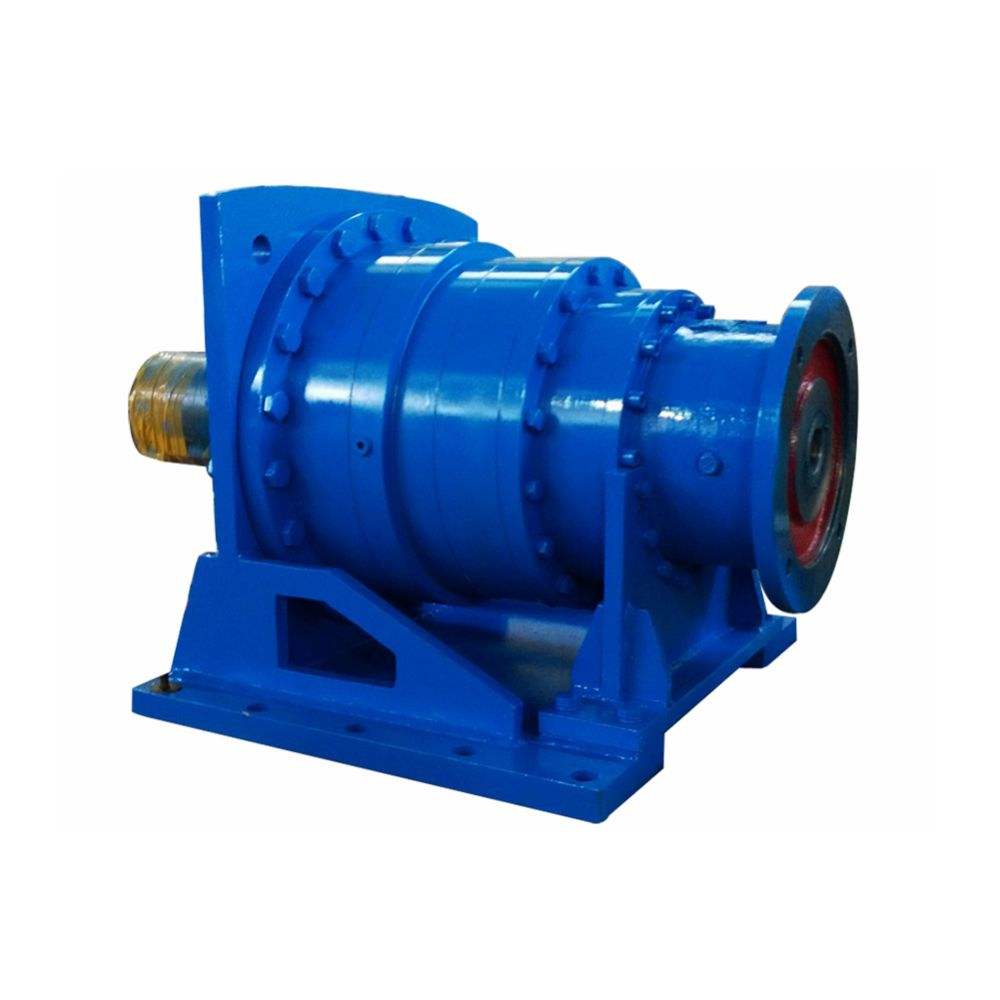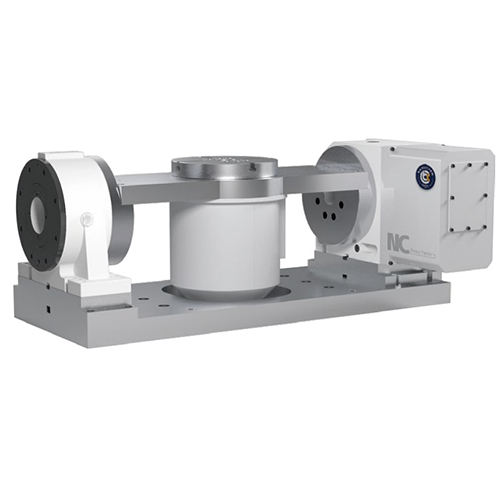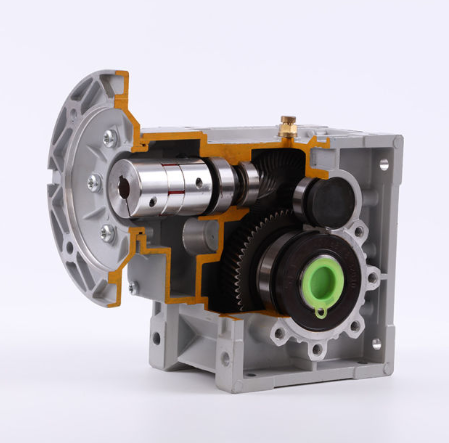

What is the importance of backlash in gearboxes? If you've ever felt a jolt or heard a clunk in machinery, you might have encountered backlash issues. In simple terms, backlash is the slight clearance between mating gear teeth. While a small amount is necessary for lubrication and thermal expansion, excessive backlash is a silent killer of precision and efficiency. It leads to positioning errors, increased vibration, premature wear, and catastrophic failure. For procurement specialists sourcing components, understanding and specifying the correct backlash is not just a technical detail—it's a critical factor impacting machine lifespan, operational costs, and product quality. Getting it wrong means downtime, wasted budget, and unhappy end-users. Partnering with a specialist like Raydafon Technology Group Co.,Limited ensures you get gearboxes engineered with optimal, controlled backlash for peak performance and reliability.
Article Outline:
Imagine a high-speed packaging line. A robotic arm needs to place products with millimeter precision. Gearboxes with excessive backlash in its joints cause a slight "lag" or "dead zone" in movement. This results in misaligned placements, damaged products, and constant line stoppages for recalibration. The procurement team faces pressure: the promised efficiency gains are lost to unpredictable downtime and soaring maintenance costs. The core issue isn't the robot's programming; it's the foundational mechanical component—the gearbox—failing to deliver the required positional accuracy.
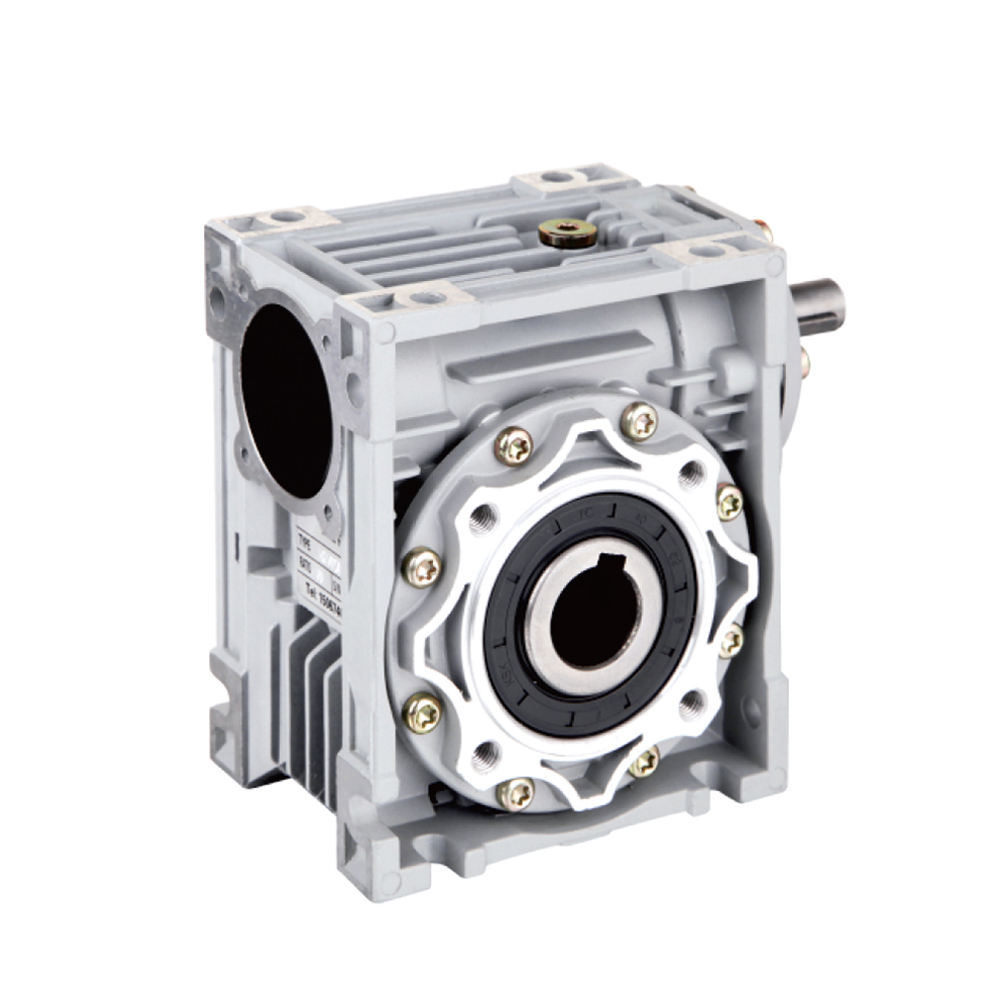
Raydafon's Precision Solution: We engineer our gearboxes and reducers with meticulously controlled backlash. Using advanced manufacturing techniques and high-precision bearings, we minimize lost motion. This translates directly to your application: repeatable accuracy, smoother operation, reduced vibration, and dramatically extended service life for the entire machine. For procurement, this means fewer emergency orders, predictable maintenance schedules, and a reliable supply of components that protect your capital investment. What is the importance of backlash in gearboxes? It's the difference between a machine that runs and a machine that earns.
Key parameters to evaluate for backlash control in precision applications:
| Parameter | Typical Range (Arc-min) | Impact on Performance |
|---|---|---|
| Precision (Low Backlash) | < 3 | High-accuracy positioning, robotics, CNC |
| Standard (Medium Backlash) | 3 - 10 | General industrial drives, conveyors |
| Commercial (Higher Backlash) | > 10 | Non-critical, low-precision applications |
A common pain point for buyers is receiving gearboxes that technically meet a basic backlash spec but fail in the real world. The problem often lies in incomplete specification. Simply stating "low backlash" is insufficient. The operational conditions—load, temperature, speed, and duty cycle—all affect how backlash behaves over time. A gearbox specified only for a static, room-temperature test might perform poorly under dynamic loads or thermal expansion in your factory. This leads to value erosion: you paid for a precision component but didn't get the long-term performance.
Raydafon's Application Engineering Partnership: We don't just sell components; we provide solutions. Our technical team works with you to understand the full operational envelope of your application. We specify backlash not as a single number, but as a performance characteristic guaranteed under defined load and temperature conditions. This collaborative approach ensures the gearbox you procure is optimized for total cost of ownership, delivering maximum return on investment through unwavering reliability.
Critical factors to specify alongside backlash in your RFQ:
| Specification Factor | Why It Matters | Raydafon's Approach |
|---|---|---|
| Measurement Method (e.g., DIN, AGMA) | Ensures consistent, comparable data from vendors | Compliance with international standards, full test reports |
| Conditions (Load, Temperature) | Backlash changes with operation; spec must reflect reality | Performance data provided under simulated operational loads |
| Required Lifespan / Duty Cycle | Backlash increases with wear; design must account for it | Designs incorporate wear resistance for stable performance over life |
Procurement's ultimate goal is a secure, reliable supply of quality parts. The nightmare scenario is a critical machine down because a "cost-optimized" gearbox failed prematurely. Sourcing based solely on initial unit price often ignores the hidden costs of failure: emergency air freight, production losses, and brand reputation damage. The true cost of a gearbox is measured over its entire service life within your machine.
Raydafon's Commitment to Reliability: Our What is the importance of backlash in gearboxes? philosophy is embedded in our quality control. From material selection to final testing, every step is designed to ensure consistent, controlled backlash and robust performance. By choosing Raydafon, you aren't just buying a product; you're investing in supply chain stability. You gain a partner committed to delivering components that enhance your machine's reputation for quality and durability, protecting your bottom line from the high cost of unexpected failure.
FAQ: Understanding Backlash in Gearboxes
Q: What is backlash in a gearbox, and why is a small amount necessary?
A: Backlash is the intentional, slight clearance between the teeth of mating gears. This small gap is crucial. It allows for a film of lubricant to protect the gear surfaces, accommodates thermal expansion as the gearbox heats up during operation, and prevents the gears from jamming due to manufacturing tolerances. However, this clearance must be precisely controlled.
Q: How does excessive backlash from a gearbox affect the end product or machine performance?
A: Excessive backlash has a direct, negative impact. It causes positional inaccuracy and a "lag" in response, leading to poor product quality in machining or assembly. It increases vibration and noise, accelerating wear on the gearbox itself and connected components like bearings and shafts. This results in higher maintenance costs, unplanned downtime, and a shorter overall lifespan for the machinery. Controlling backlash is fundamental to achieving precision, efficiency, and reliability.
For procurement professionals seeking to eliminate the risks associated with gearbox performance, the partnership extends beyond the purchase order. At Raydafon Technology Group Co.,Limited, we specialize in providing engineered power transmission solutions where precision, like controlled backlash, is guaranteed. Visit https://www.raydafon-chains.com to explore our product portfolio and technical resources. For direct consultation on your application requirements, please contact our sales team at [email protected].
Supporting Research on Gear Backlash and Dynamics:
Kahraman, A., & Blankenship, G. W. (1999). Experiments on the relationship between the dynamic transmission error and the dynamic stress factor of spur gear pairs. Journal of Mechanical Design, 121(3), 313-318.
Velex, P., & Ajmi, M. (2006). On the modelling of excitations in geared systems by transmission errors. Journal of Sound and Vibration, 290(3-5), 882-909.
Parker, R. G., Agashe, V., & Vijayakar, S. M. (2000). Dynamic response of a planetary gear system using a finite element/contact mechanics model. Journal of Mechanical Design, 122(3), 304-310.
Lin, J., & Parker, R. G. (2002). Analytical characterization of the unique properties of planetary gear free vibration. Journal of Vibration and Acoustics, 124(1), 112-120.
Fernández del Rincón, A., Viadero, F., Iglesias, M., García, P., & de-Juan, A. (2013). A model for the study of meshing stiffness in spur gear transmissions. Mechanism and Machine Theory, 61, 30-58.
Litvin, F. L., & Fuentes, A. (2004). Gear geometry and applied theory. Cambridge University Press.
Shigley, J. E., & Mischke, C. R. (1989). Mechanical engineering design. McGraw-Hill.
Dudley, D. W. (1994). Handbook of practical gear design. CRC Press.
Houser, D. R. (1990). Gear noise sources and their prediction. In Proceedings of the International Gearing Conference (pp. 1-6).
Smith, J. D. (2003). Gear noise and vibration. Marcel Dekker.