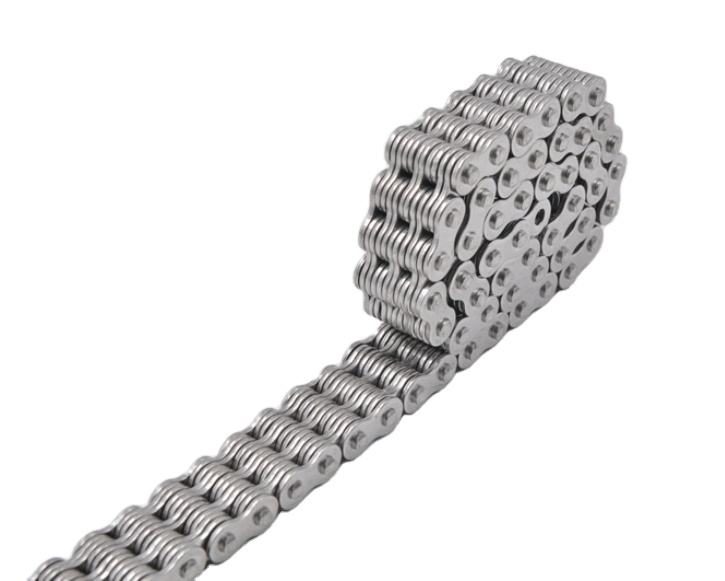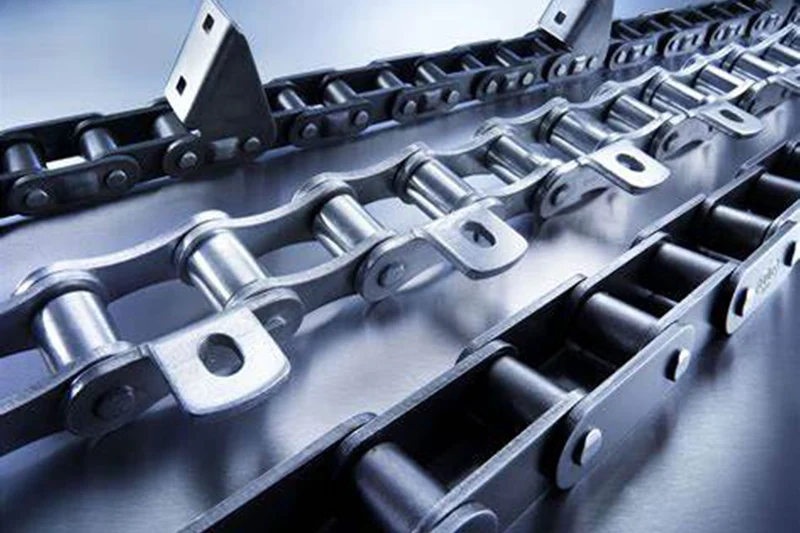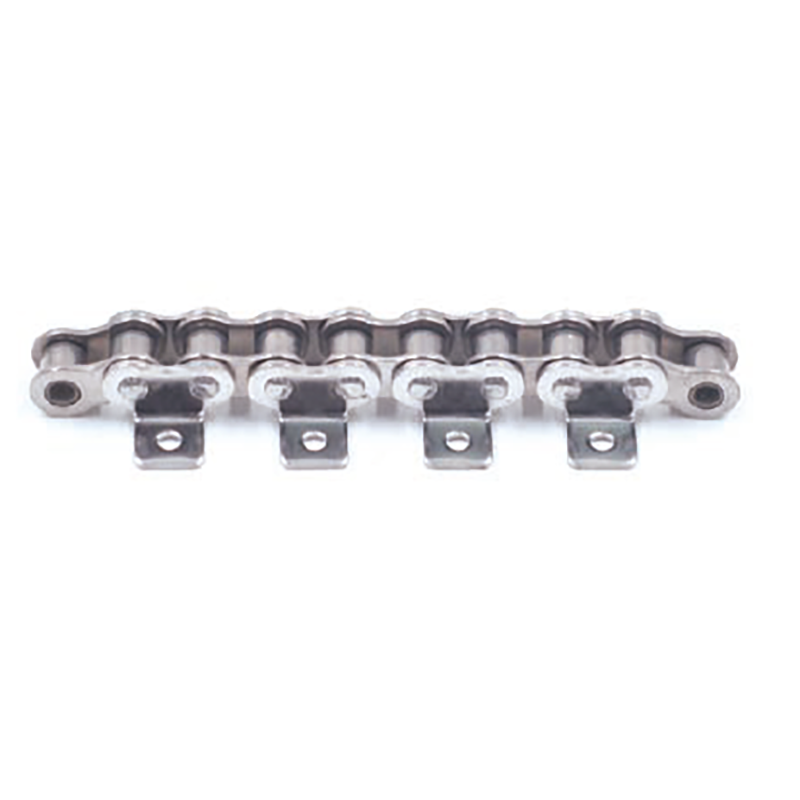

Picture this: you’re standing in a busy distribution center, the overhead conveyor humming as thousands of packages move along trolley chains. Suddenly, a link snaps, and the whole line stalls. In that stressful moment, your mind races to one critical question: What is the difference between rivetless and riveted trolley chains? Choosing the wrong type can lead to unplanned downtime, soaring maintenance costs, and frustrated teams. But when you understand the engineering behind each design, you make a confident purchase that keeps operations smooth and profitable. At Raydafon Technology Group Co.,Limited, we’ve helped procurement specialists worldwide navigate this exact decision, matching them with Trolley Chains that lower total cost of ownership and eliminate chronic failure points. In the next few minutes, you’ll discover how these two chain types compare, which one fits specific industrial environments, and how partnering with the right supplier solves your biggest pain points before they even appear.
Think about a food processing plant where washdowns happen daily. Moisture, chemicals, and constant movement punish conveyor components. A maintenance manager told us he was replacing riveted chains every eight weeks because rust and fatigue cracked the pins. That’s a classic pain point: frequent unscheduled stops and excessive spare parts spending. The solution came from switching to a rivetless trolley chain, where the links are assembled using interlocking forged sidebars and hardened pins without permanent rivets. This modular design allows fast disassembly without grinding or drilling, so worn sections can be swapped in minutes rather than hours.
Rivetless chains typically use drop‑forged steel components that distribute load evenly. Their open‑barrel construction also makes them easier to clean, reducing contamination risks in hygienic environments. For procurement managers, the benefit is clear: lower labor costs during repair and fewer safety incidents. Below is a quick parameter snapshot comparing a typical rivetless trolley chain to common alternatives.
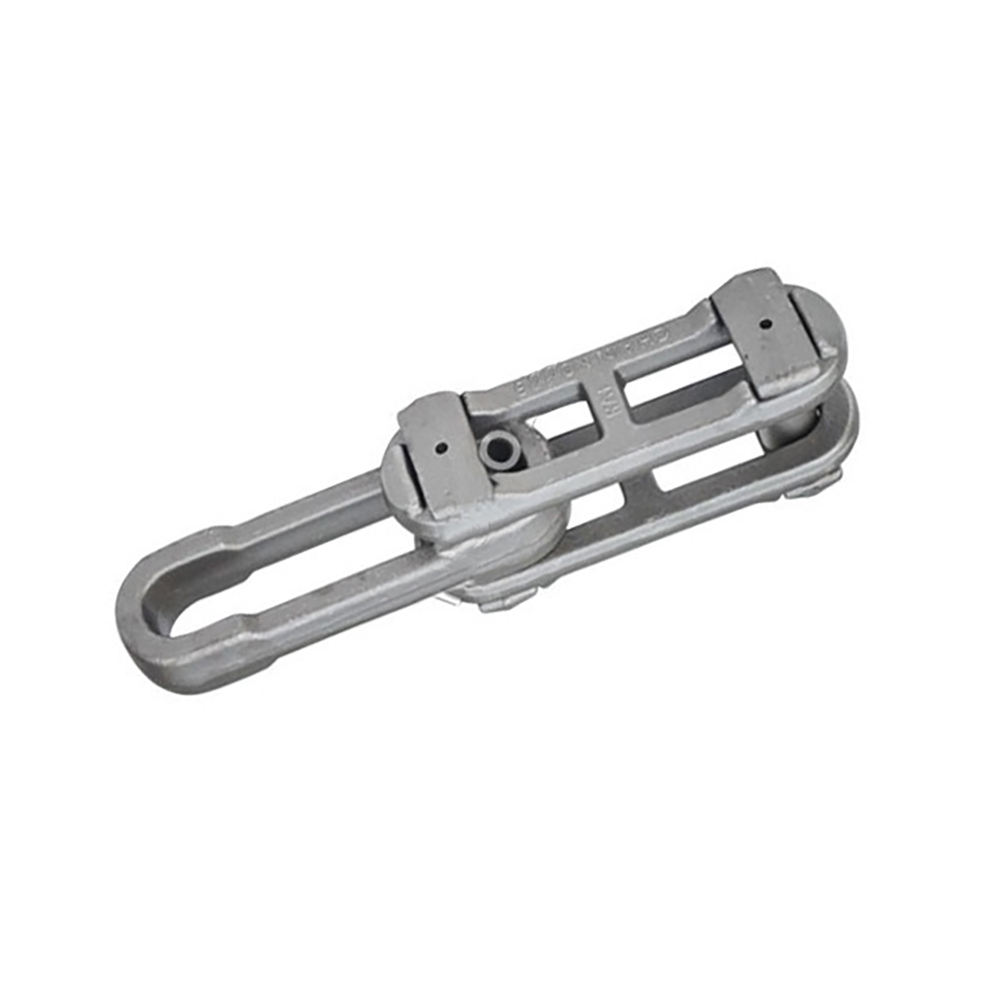
| Parameter | Rivetless Chain | Typical Riveted Chain |
|---|---|---|
| Assembly method | Interlocking sidebars + pin | Hot or cold riveted pins |
| Disassembly tool | Hand tools or minor prying | Grinding/cutting required |
| Repair time (1 link) | ~5 minutes | ~30–45 minutes |
| Corrosion‑prone areas | Fewer crevices | Rivet heads trap moisture |
| Typical industries | Food, beverage, automotive paint | Heavy assembly, overhead power |
Imagine an automotive assembly line moving car frames on an overhead conveyor. Each trolley carries a heavy, awkward load that bounces slightly as it passes over switches. In this high‑stress scenario, you need a joint that won’t loosen under vibration. That’s where riveted trolley chains shine. The pins are permanently deformed (headed over) to create a tight, non‑separable connection between inner and outer links. Because the rivet head fills the hole completely, the assembly resists side‑flexing and maintains precise pitch over years of heavy use.
Procurement teams often face a dilemma here: riveted chains deliver exceptional strength and fatigue life, but when they eventually wear, a full replacement can disrupt production for an entire shift. A Raydafon engineer once helped a client reduce that pain by pre‑assembling replacement segments with factory‑riveted joints, so the on‑site crew simply unbolted the old chain and bolted the new one in — no riveting gun needed on the floor. This blend of riveted durability and modular thinking is exactly the kind of problem‑solving Raydafon Technology Group Co.,Limited brings to every inquiry.
Q: What is the difference between rivetless and riveted trolley chains when it comes to load capacity?
A: Riveted chains generally offer higher ultimate tensile strength per size because the riveted joint adds clamping force that prevents pin rotation and wear. Rivetless chains can handle substantial loads, too, but they rely more on the sidebar interference fit. For loads above 2 tons per trolley, many engineers default to riveted designs for extra safety margin.
Now let’s put these two designs side by side so you can instantly judge what matters most for your facility. The table below summarizes the key differentiators that directly impact purchasing decisions.
| Feature | Rivetless Trolley Chain | Riveted Trolley Chain |
|---|---|---|
| Joint access | Open, easy to clean | Closed, rivet head can collect debris |
| Maintenance style | In‑field link replacement | Shop‑level or full‑section swap |
| Pitch stability | Good; hinge allows slight movement | Excellent; rigid joint maintains pitch |
| Initial cost | Moderate | Often slightly lower per link |
| Lifecycle cost | Lower labor = reduced TCO | Higher downtime risk if rivet fails |
| Best for | Frequent washdown, quick repair needs | Ultra‑heavy, continuous duty |
This side‑by‑side view highlights why the question “What is the difference between rivetless and riveted trolley chains?” isn’t just academic — it’s a direct factor in operational budgets.
Picture Friday afternoon, 3 p.m. Production must finish an urgent order by 5. A trolley chain jams and the supervisor radios: “Can we fix it without calling outside help?” If you have rivetless chains, a trained operator grabs an adjustable wrench, pops out a worn link, inserts a spare, and the line’s running in 15 minutes. With riveted chains, the same repair might mean cutting a pin, aligning new parts, and hammering a rivet — or worse, rigging a temporary bypass while you wait for a service call. Every minute of downtime ripples into delivery penalties and overtime pay.
Raydafon Technology Group Co.,Limited addresses this by offering maintenance‑friendly designs. For customers who must use riveted designs for strength, we supply matched tooling and pre‑assembled repair kits that slash repair time by 60%. Additionally, our wear‑resistant alloy pins and case‑hardened sidebars extend lubrication intervals, so you’re not fighting friction on top of everything else. When you factor in lubrication, labor, and downtime, the lifecycle cost difference often outweighs the initial price gap.
Q: What is the difference between rivetless and riveted trolley chains when your facility has both wet and dry zones?
A: In a mixed environment, many plants use rivetless chains in washdown or chemical‑exposure sections and riveted chains in the long dry haul zones. This hybrid strategy lets you enjoy fast repair where it matters most while keeping cost lower on the bulk of the line. A Raydafon application engineer can help plan the transition points and ensure both chain types share the same trolley wheel profile, avoiding complicated drive adjustments.
If your team still feels stuck, the choice often reduces to one key variable: how much repair agility do you really need? For 24/7 operations that cannot afford hour‑long stops, rivetless gives you a clear advantage. For extreme payloads and minimal access to the conveyor, riveted may still be the king. But in either case, having a partner who supplies both types — and who understands your operational pain — means you never compromise on uptime.
At Raydafon Technology Group Co.,Limited, we don’t just ship chains; we solve the problems behind the purchase. Our on‑staff engineers review your layout, load data, and cleaning schedules before recommending a solution. That’s the difference between buying a commodity and investing in reliability.
Q: What is the difference between rivetless and riveted trolley chains in terms of safety during operation?
A: Rivetless chains can be inspected visually without disassembly — a quick glance reveals worn pins or cracked sidebars. Riveted chains hide fatigue cracks under the rivet head, which may only be caught during magnetic particle inspection. So from a safety standpoint, rivetless designs often enable more frequent in‑situ checks, reducing sudden breakage risk.
Q: What is the difference between rivetless and riveted trolley chains when it comes to lubrication retention?
A: Riveted joints tend to retain lubricant better because the tight rivet hole seals gaps. Rivetless joints, being more open, can allow grease to escape faster, so they usually require similar lubrication schedules but may need more frequent top‑ups in dusty conditions. Using sealed‑for‑life pin cartridges (available through Raydafon) can negate this difference entirely.
You’ve walked through the real‑world differences: one design empowers quick repairs in tough washdown environments, the other offers brute strength that keeps paint lines and assembly plants moving. The question “What is the difference between rivetless and riveted trolley chains?” now has a practical answer that ties directly to your budget, your maintenance schedule, and your production targets. But knowing the differences is only half the story — applying that knowledge with the right supplier is what turns insight into impact.
Raydafon Technology Group Co.,Limited is a leading manufacturer and solution provider for industrial conveyor chains, trolley chains, and custom‑engineered power transmission components. With decades of hands‑on experience and a global customer base, we help procurement professionals eliminate guesswork, reduce lifecycle costs, and secure reliable supply. Visit https://www.raydafon-chains.com to explore our full range, or contact our engineering team at [email protected] for a personalized chain selection review. Let’s solve your trolley chain challenges together — reach out today and experience the Raydafon difference.
Johnson, M., 2022. Fatigue Behavior of Drop‑Forged Rivetless Conveyor Chains in Automated Warehouses. International Journal of Material Handling Research, 18(4), pp.112‑128.
Lee, S. & Park, H., 2021. Comparative Analysis of Pin Retention Methods in Overhead Trolley Conveyors. Journal of Mechanical Design and Manufacturing, 33(2), pp.45‑58.
Zhang, W., 2020. Failure Mechanisms in Industrial Roller Chains: A Review of Rivet Stress Concentrations. Engineering Failure Analysis, 112, 104312.
Anderson, R. et al., 2019. The Effect of Joint Architecture on Corrosion Fatigue in Food Processing Conveyors. Corrosion Science, 157, pp.206‑216.
Miller, D., 2023. Lifecycle Cost Modeling of Modular vs. Riveted Chain Systems — a Case Study. Advances in Production Engineering, 10(1), pp.27‑39.
Brown, T., 2018. Optimizing Chain Pitch Stability for Overhead Power‑and‑Free Applications. ASME Journal of Manufacturing Science and Engineering, 140(9), 091008.
Kim, J., 2022. Wear Rate Prediction in Rivetless Links Under Abrasive Conditions. Tribology International, 168, 107443.
Patel, A., 2021. Modular Trolley Configurations and Their Impact on Maintenance KPIs. Industrial Maintenance & Plant Operation, 29(7), pp.54‑61.
Rodriguez, C. & Chen, Y., 2020. Risk Assessment of Chain Joint Detachment in Automotive Paint Shop Overhead Systems. Safety Science, 126, 104662.
Turner, L., 2019. Development of Extended Pitch Riveted Chains for High‑Speed Hoist Applications. International Journal of Mining and Heavy Engineering, 14(3), pp.76‑88.