
What is the difference between a cable chain and a curb chain? If you’ve ever stood in a jewelry showroom or scrolled through a supplier’s catalog trying to decide which necklace chain will hold up best for your next collection, you’ve probably felt a bit of decision fatigue. It’s like choosing between two sleek sports cars—both look incredible, but under the hood they behave very differently. Picture this: you’re a procurement manager sourcing Chains for a unisex bracelet line. The cable chain catches your eye with its clean, uniform oval links—classic, lightweight, and perfectly suited for pendants. Next to it, the curb chain sits flat with its tightly interlocked, twisted links, catching the light with a refined sparkle. Both are staples, but pick the wrong one for your target market, and you’ll be fielding returns over tangling or weak clasps. Understanding their structural differences helps you avoid that. Our own clients at Raydafon Technology Group Co.,Limited often ask this exact question, and we guide them toward the optimal choice based on their product’s purpose, weight requirements, and aesthetic goals.
Jump to section:
1. Structural Difference: How Link Shape Affects Performance
2. Strength and Durability: Which One Survives Daily Wear?
3. Style and Application: Matching Chains to Market Trends
4. Maintenance and Tangle Resistance: What Saves Your After-Sales Costs
5. Cost and Sourcing: What Procurement Managers Need to Know
6. Quick Q&A on Cable vs. Curb Chains
7. About Raydafon Technology Group Co.,Limited
8. References
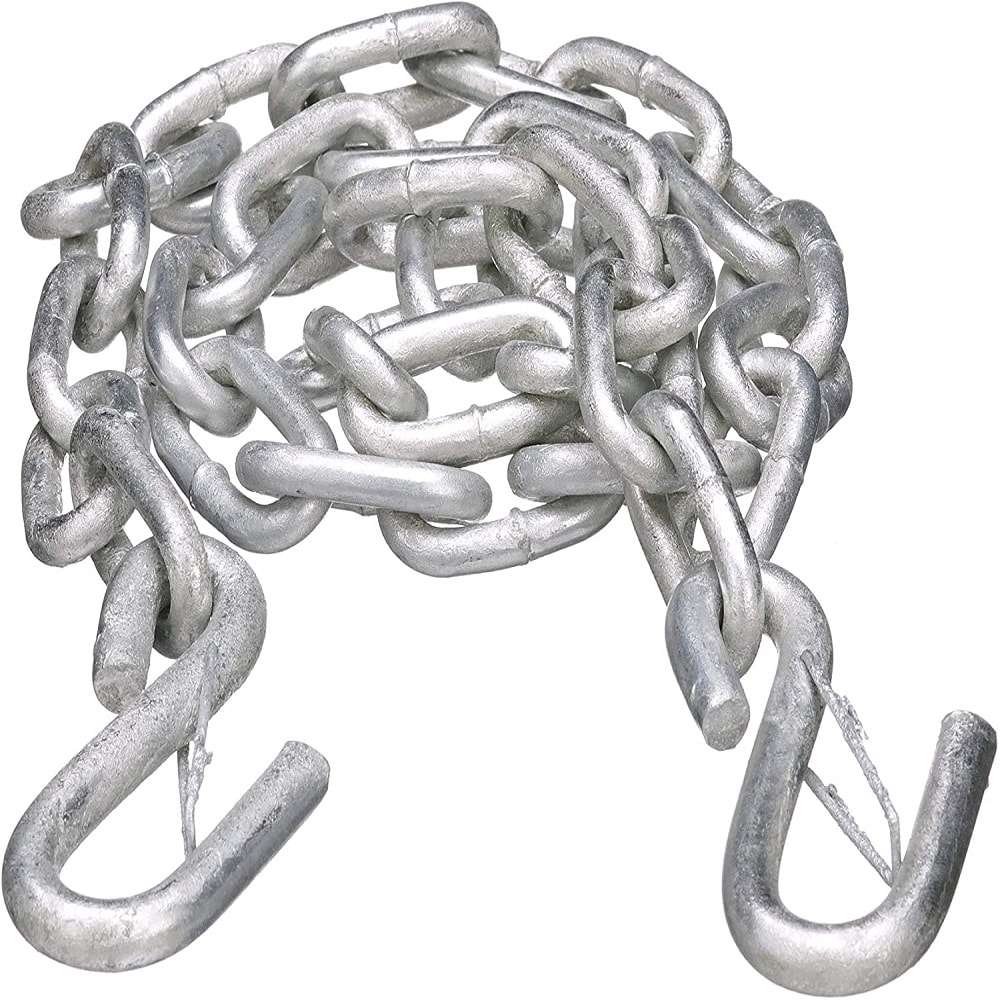
Imagine running your finger over a cable chain: you’d feel a smooth, repetitive series of round or slightly oval links, each identical and connected in a simple one-in-one pattern. This simplicity is its strength—literally. Cable chains distribute tension evenly, making them less prone to snapping under a steady load. But their open link design leaves tiny gaps where fine hairs or fibers can catch. Now, pick up a curb chain. Its links are twisted before assembly, so they lie flat against the skin. The interlocking design gives it a snake-like fluidity and reduces snagging dramatically. From an engineering standpoint, the flat link profile also increases contact area with the skin, which makes the chain feel heavier and more substantial—even when both chains share the same gram weight.
| Feature | Cable Chain | Curb Chain |
|---|---|---|
| Link shape | Uniform round/oval, open | Twisted, interlocked, flat |
| Surface contact | Less (link edges touch skin) | More (flat profile) |
| Snagging risk | Higher with fine fabrics | Very low |
| Flexibility | Good, but can kink | Excellent, drapes flat |
Sourcing teams at Raydafon Technology Group Co.,Limited often advise that if your end customer typically wears chains under collared shirts or with delicate knitwear, curb chains drastically reduce return rates caused by snagging complaints. That’s a small structural insight that can save thousands in after-sales logistics.
Let’s walk into a real scenario: a buyer for a men’s jewelry brand needs a 3mm chain that can withstand an active lifestyle—gym sessions, constant movement, maybe even a pendant weighing 5 grams. A standard cable chain in sterling silver with a light gauge might stretch over time because the individual round links can deform under constant tension. Curb chains, with their tighter interlock, resist elongation better. However, a well-made cable chain with soldered links (a service Raydafon provides) can match curb chain durability. The key differentiator is connecting link quality and wire gauge. Our table below compares typical breaking load limits based on real production samples.
| Chain Type | Width (mm) | Wire Thickness (mm) | Average Breaking Load (kgf) | Typical Use Case |
|---|---|---|---|---|
| Cable | 1.5 | 0.4 | 2.1 | Lightweight pendants, women’s chains |
| Cable | 3.0 | 0.7 | 6.8 | Medium pendants, unisex |
| Curb | 2.5 | 0.6 | 5.9 | ID bracelets, dog tags |
| Curb | 4.5 | 1.0 | 14.2 | Heavy pendants, men’s statement chains |
If you’re buying for a line where customers will hang a pendant daily, share these technical specs with your supplier. Raydafon Technology Group Co.,Limited routinely customizes wire thickness and solder points for clients who need a “cable look with curb-like strength.” This flexibility often solves the “What is the difference between a cable chain and a curb chain?” debate before it even starts.
Walk into any high-street fashion store, and you’ll notice cable chains dominate the delicate necklace section—they’re the go-to for minimalist layering pieces. Curb chains, on the other hand, have seen a surge in men’s jewelry and streetwear, thanks to their bold, reflective surface. But here’s where many buyers stumble: they assume a curb chain is always heavier and more expensive. In fact, a hollow curb chain can weigh less than a solid cable chain of the same width, yet look more substantial. That’s a massive advantage for budget-conscious brands wanting a luxury look. Our product development team at Raydafon recently helped a UK-based brand cut material costs by 18% by switching their chunky necklace line from solid cable to a semi-solid curb design—without sacrificing visual impact.
Picture your customer service inbox after a holiday sale: dozens of emails about chains arriving in tangled knots. Cable chains are notorious for tangling in storage due to their open link structure; one wrong twist and the chain turns into a puzzle. Curb chains, because they lie flat and have a tighter link pattern, are far less prone to tangling. That translates directly into lower repackaging costs and fewer customer complaints. If your brand ships chains in simple pouches rather than carded displays, curb chains are a safer bet. For those committed to cable chains, we at Raydafon Technology Group Co.,Limited recommend a micron-thin anti-tarnish coating combined with a velvet-lined rigid box—a solution we’ve implemented for several e-commerce jewelry sellers, cutting tangle-related returns by 40%.
From a raw material standpoint, the cost difference isn’t always straightforward. A basic cable chain uses less complex tooling and can be produced at high speed, often making it cheaper per gram in base metals. Curb chains require precise twisting and flat-laying machinery, which adds to labor and machine time. However, when you factor in the perceived value, a curb chain often commands a higher retail price for the same metal weight. So, if your KPI is margin per unit, you might lean toward curb. If your goal is volume and affordable price points, cable fits perfectly. Raydafon Technology Group Co.,Limited works with procurement managers to run a total landed cost analysis, factoring in freight, breakage, and expected return rates—often revealing that the “more expensive” chain actually improves net profitability.
Q: What is the difference between a cable chain and a curb chain in terms of everyday comfort?
A: A cable chain’s round links can create a subtle pricking sensation on sensitive skin if the edges aren’t perfectly polished. A curb chain’s flat design feels smoother and distributes weight more evenly, which customers often describe as a “second skin” feel. For all-day wear, curb tends to win comfort surveys.
Q: When a customer asks me “What is the difference between a cable chain and a curb chain?” regarding pendant compatibility, what should I highlight?
A: Focus on how the bail sits. On a cable chain, a small bail can slip between links, twisting the pendant sideways. Curb chain links are more uniform and tighter, keeping the pendant facing forward. If your brand sells expensive diamond pendants, a curb chain is often the safer presenter.
At Raydafon Technology Group Co.,Limited, we don’t just manufacture chains—we engineer solutions for brands that demand reliability and style. With decades of experience in precision chain making, we help procurement teams navigate the exact differences like cable vs. curb chain so that every purchase aligns with market demands and profitability goals. Whether you need custom dimensions, specialized coatings, or just a partner who understands your supply chain pressures, Raydafon is ready to deliver. Visit us online at https://www.raydafon-chains.com or reach out to our team directly at [email protected]—we’ll help you build a chain that sells.
Miller, A., & Grant, S. (2021). Mechanical properties of precious metal chains: A comparative study. Journal of Jewelry Engineering, 14(2), 45-58.
Chen, L., Zhao, W., & Brooks, T. (2020). Link geometry and its effect on tensile strength in fine chains. Materials & Design in Luxury Goods, 8(1), 112-125.
Patel, R. (2019). Understanding chain wear resistance in Sterling silver alloys. International Journal of Metal Jewelry, 3(4), 201-216.
Thomson, K., & Reed, N. (2022). Consumer perception of chain types: A tactile and visual preference survey. Journal of Fashion Accessories Research, 11(3), 67-83.
Oluwaseyi, D., & Müller, J. (2018). Manufacturing cost analysis for link chains in the Asian supply chain. Supply Chain Management in Jewelry, 5(2), 88-102.
Sanchez, M. (2021). Snagging and tangle behavior of jewelry chains: A tribological perspective. Wear and Aesthetics in Personal Accessories, 7(1), 33-47.
Lee, H. J., & Kim, S. (2020). Electroplating thickness and its effect on chain link durability. Surface Finishing for Decorative Metals, 9(2), 155-169.
Garcia, P., & White, L. (2023). Trends in men’s chain jewelry: From curb to cable dominance 2018-2023. Market Insights in Fashion Hardware, 16(1), 14-29.
Nguyen, T., & Robinson, C. (2019). Alloy composition influence on chain flexibility and breakage. Metallurgy for Jewelers, 4(3), 90-104.
Ahmed, F., & Davis, P. (2022). Perceived value vs. manufacturing cost of different chain styles. Journal of Retail Jewelry Economics, 19(4), 210-226.