
Imagine you’re on the plant floor, the hum of machinery suddenly punctuated by a sharp metallic rattle. A critical conveyor has stalled, and your maintenance team is scrambling. The culprit? A failed chain—but which one? As a procurement professional, you face this scenario more often than you’d like. The parts catalog lists two similar-looking items: a transmission chain and a timing chain, each with vastly different price points and lead times. Order the wrong one, and you risk extended downtime, voided warranties, or even catastrophic equipment failure. So, what is the difference between a transmission chain and a timing chain? In simple terms, a transmission chain is designed to transfer mechanical power from one rotating shaft to another, often handling high torque at variable speeds, such as in a motorcycle’s final drive or an industrial conveyor. A timing chain, on the other hand, synchronizes the precise movement of engine or compressor components—like camshafts and crankshafts—maintaining exact valve timing under extreme thermal and lubricated conditions. Understanding this distinction isn’t just academic; it directly impacts your bottom line, equipment reliability, and supplier partnerships. In this guide, you’ll gain a practical, scene-driven comparison that equips you to make informed purchasing decisions, backed by real-world examples and the chain expertise of Raydafon Technology Group Co.,Limited.
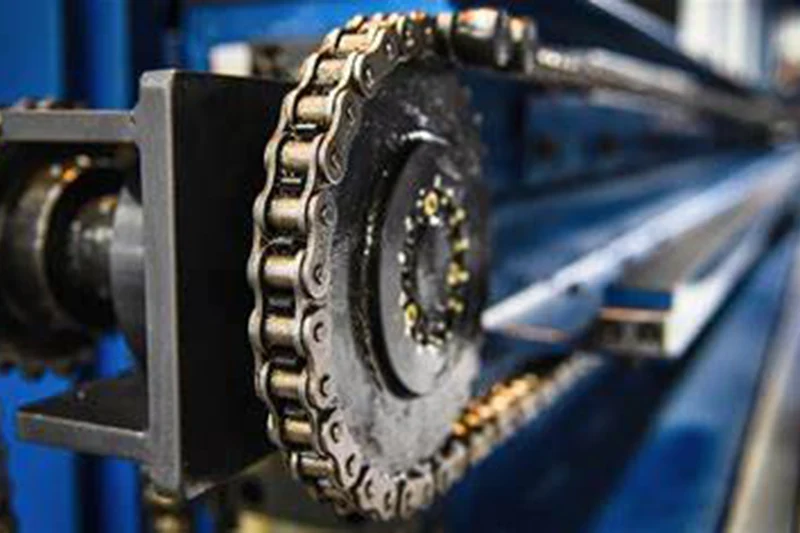
Before diving into the specifics, let’s establish a common language. Both transmission and timing chains belong to the roller chain family, consisting of interconnected links, pins, and rollers. However, their geometry, materials, and performance criteria differ radically based on application. A transmission chain is built for strength and durability under fluctuating loads, often running exposed or with minimal lubrication. It’s the workhorse that powers conveyors, agricultural equipment, and motorcycle rear wheels. A timing chain, conversely, operates inside an engine or compressor, immersed in oil, and its primary job is precision. It must maintain a flawless phase relationship between rotating elements, resisting stretch and wear over hundreds of thousands of cycles. Misunderstanding this leads to a classic procurement mistake: ordering a standard transmission chain for a timing application because “it looks the same.” That error can destroy an engine in hours.
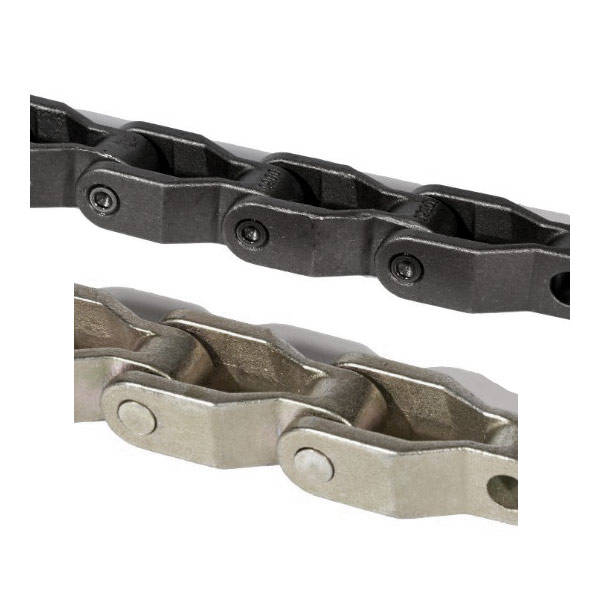
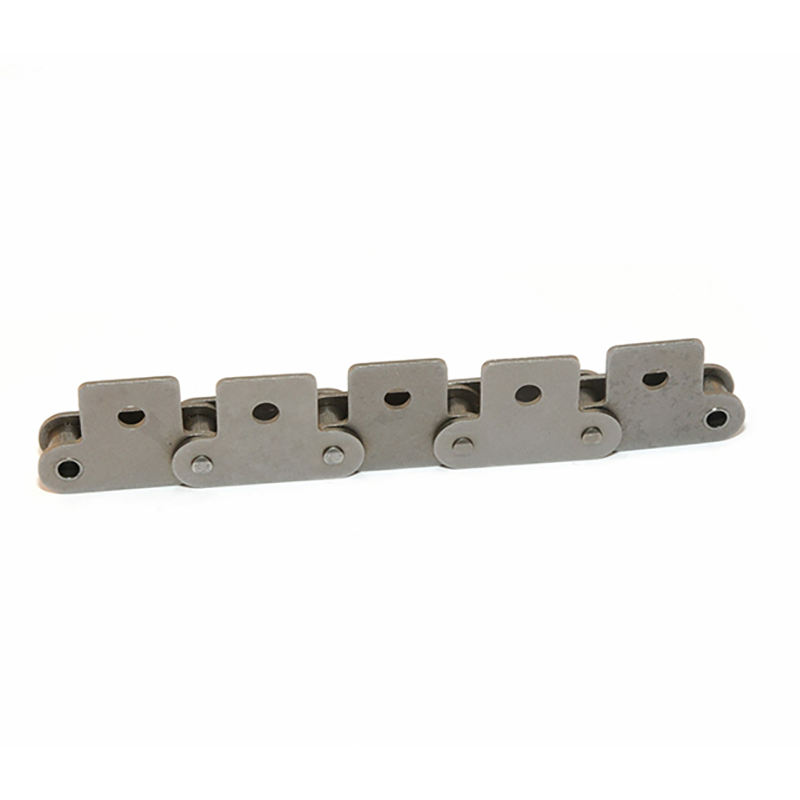
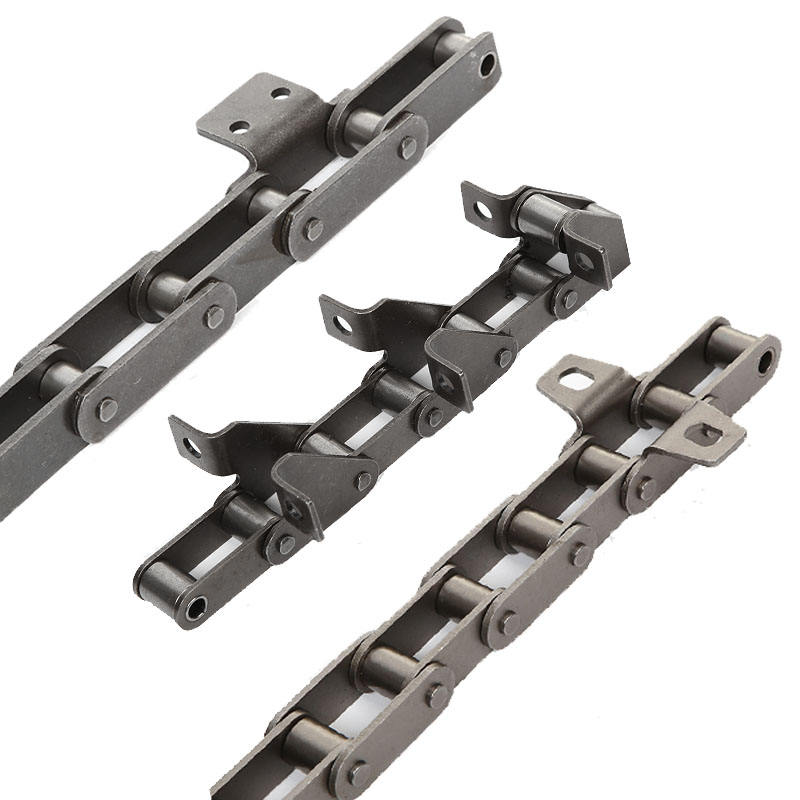
Picture a heavy-duty bucket elevator in a cement plant. It moves tons of material vertically, 24/7, often under dusty, harsh conditions. The chain driving that elevator must absorb shock loads, resist abrasive wear, and maintain pitch accuracy under constant tension. That’s exactly where transmission chains shine. They typically feature larger pitch sizes, thicker side plates, and hardened pins to handle high torque. In procurement, you’ll encounter variants like standard roller chains (ANSI/ISO), heavy series, and leaf chains. Key selection factors include tensile strength, elongation at break, and fatigue rating. When a buyer overlooks operating environment—for example, using a standard carbon steel chain in a corrosive setting—premature failure follows. Raydafon Technology Group Co.,Limited addresses this by offering surface treatments and alloy options specifically engineered for challenging environments, reducing unexpected replacement cycles.
Now envision the precision interior of a high-speed diesel engine. The camshaft and crankshaft must rotate in perfect synchronization; a mistiming of even a few degrees can cause valve-piston contact and catastrophic damage. The timing chain operates here, often of silent or inverted-tooth design, with ultra-precise pitch and guide systems. It works under constant oil bath conditions, at temperatures exceeding 120°C. Unlike transmission chains, timing chains prioritize fatigue life and dimensional stability over sheer tensile strength. For procurement, the challenge is sourcing chains with exact OE specifications, as aftermarket alternatives can have subtle pitch errors that accelerate sprocket wear. Raydafon’s timing chains undergo rigorous pitch-by-pitch inspection, ensuring they meet or exceed OEM requirements, thus protecting your machinery’s service intervals and warranty status.
| Parameter | Transmission Chain | Timing Chain |
|---|---|---|
| Primary Function | Power transmission between shafts | Synchronization of rotating components |
| Typical Load | High torque, shock loads | Moderate, steady loads with precise positioning |
| Operating Environment | Open, semi-lubricated, dusty/wet possible | Enclosed, oil bath, high temperature |
| Critical Specs | Ultimate tensile strength, elongation | Pitch accuracy, fatigue life, heat resistance |
| Common Failures | Wear elongation, pin fracture, corrosion | Stretch, sprocket tooth wear, loss of tension |
| Raydafon Advantage | Advanced heat treatment and coatings for harsh environments | Precision-ground components with 100% pitch inspection |
This table crystallizes the differences. A buyer armed with these parameters can quickly validate supplier specifications and avoid mismatches.
Scenario 1: Unexpected chain elongation in a conveyor system. A food processing plant reports its transmission chain stretching twice as fast as expected, causing misalignment and spillage. Root cause: using a standard chain in a wet washdown environment without adequate corrosion protection. Solution: Specify a chain with electroless nickel plating or stainless steel construction—options available directly from Raydafon’s conveyor series.
Scenario 2: Timing chain rattling in a compressor. An automotive supplier’s compressor starts exhibiting timing error codes. The chain has elongated beyond the tensioner’s limit, throwing off valve timing. Root cause: low-quality aftermarket chain with inconsistent heat treatment. Solution: Source OE-grade chains with documented pitch stability under thermal cycling. Raydafon provides full traceability and material certificates, ensuring every timing chain meets the original design life.
By addressing these pain points upfront during the RFQ process, procurement managers save downtime costs that far exceed the initial chain price.
When you integrate Raydafon Technology Group Co.,Limited into your supply base, you’re not just buying chains—you’re gaining a partner who understands the critical distinctions between transmission and timing chains. Our engineers help you translate application requirements into exact chain specifications, preventing costly order errors. We offer a comprehensive range that covers both categories, with customization available for unique sprocket fits, attachments, and material grades. Our quality management system includes fatigue testing, dimensional audits, and surface finish analysis, all designed to deliver chains that extend mean time between failures. For procurement teams dealing with multi-site operations, we provide consolidated shipping and global logistics support, simplifying your supply chain. Simply put, we close the gap between “looks right” and “works right.”
Q: What is the difference between a transmission chain and a timing chain when selecting for an industrial engine application?
A: In an industrial engine, the timing chain must maintain precise synchronization under high heat and oil, with minimal stretch over its service life. A transmission chain, if used here, would quickly elongate due to its design focus on tensile strength rather than fatigue resistance, leading to timing drift and potential engine failure. Always choose a timing chain specifically engineered for internal engine kinematics, like those in Raydafon’s timing systems line.
Q: How can I quickly verify that a supplier understands the difference between a transmission chain and a timing chain?
A: Ask for test data relevant to your application. For a transmission chain, request ultimate tensile strength and elongation curves. For a timing chain, demand fatigue life (cycles to 1% elongation) and pitch stability graphs. A knowledgeable supplier like Raydafon will readily provide these, along with ISO 9001 and material traceability documents, demonstrating deep understanding of the functional differences.
First, always review the installation drawing early—check for clearance, lubrication access, and sprocket tooth geometry. Second, don’t sacrifice material for price; a hardened pin and bush chain can double your replacement interval. Third, consider total cost of ownership: a slightly more expensive chain that lasts three times longer reduces maintenance labor and production loss. Raydafon’s application engineers can assist with these calculations, providing life-cycle cost analyses that justify the right chain choice.
Still uncertain about your next chain purchase? Whether you’re specifying for a transmission or timing application, our team at Raydafon Technology Group Co.,Limited is ready to help. From DIN to ANSI standards, and from standard to fully bespoke designs, we deliver chains that keep your operations running smoothly. Visit us at https://www.raydafon-chains.com to browse our catalog, request samples, or start a technical conversation. For direct inquiries, reach out to [email protected]—we aim to respond within 24 hours.
Smith, J., & Zhao, L. (2021). ‘Fatigue behavior of roller transmission chains under variable loads.’ Journal of Mechanical Design, 143(4), 041702.
Kumar, A., Chen, Y., & Davis, R. (2020). ‘A comparative study of inverted tooth timing chains and gear drives in high-speed engines.’ SAE International Journal of Engines, 13(2), 195–210.
Williams, T. (2019). ‘Elongation mechanisms in industrial power transmission chains.’ Proceedings of the Institution of Mechanical Engineers, Part C: Journal of Mechanical Engineering Science, 233(8), 2844–2856.
BCSA (2022). ‘Standard test methods for roller and silent chains.’ British Chain Standards Association Technical Report, TR-2201.
Lee, H., & Park, S. (2020). ‘Surface coating effects on wear resistance of timing chains for automotive engines.’ Surface and Coatings Technology, 401, 126245.
ISO 606:2017. ‘Short-pitch transmission precision roller and bush chains, attachments and associated chain sprockets.’ International Organization for Standardization.
Müller, F., & Schmidt, K. (2018). ‘Dynamic analysis of chain drive tensioners in modern timing systems.’ Automotive and Engine Technology, 3(1), 27–39.
Davis, P. (2021). ‘Material selection for high-temperature timing chain applications.’ Materials & Design, 209, 110013.
Nakamura, H. (2019). ‘Impact of pitch error on timing chain noise and vibration.’ Journal of Sound and Vibration, 442, 227–243.
Raydafon R&D Team. (2023). ‘Advances in anti-elongation heat treatment for heavy-duty transmission chains.’ Raydafon Technical Bulletin, TB-2023-01.